Skip to content

Written by Rosalie Orrostieta, MSN, APRN, FNP-C
Medically Reviewed for Accuracy and Safety by Rosalie Orrostieta, MSN, APRN, FNP-C
Last Updated: November 04, 2025
I want to share a quick story from my early days in nursing school.
It was finals week. I had been studying for days, surviving on caffeine and sheer willpower. I remember waking up the morning of my biggest exam, walking to the bathroom mirror, and just staring.
I didn’t recognize the person looking back at me. My skin looked gray and tired. I had a painful breakout right along my jawline (which I never usually got), and the circles under my eyes looked like bruises.
I wasn’t just feeling the stress internally; I was wearing it.
Back then, I just covered it up with concealer and kept moving. But now, with years of experience as the founder of Rose Medical Aesthetics, I know exactly what was happening. It wasn’t bad luck, and it wasn’t just “bad skin.”
It was a biological response.
In the medical world, we have a name for this: Psychodermatology. It’s the fascinating, complex intersection where the mind meets the skin. And if you’ve been looking in the mirror lately wondering why your skin is acting up despite your perfect skincare routine, the answer might not be in your products.
It might be in your stress levels.
Today, I want to dive deep into what we call the “Anxiety Skin Effect.” We’re going to look at the very latest 2024 and 2025 research on how your brain talks to your skin, why anxiety physically changes your complexion, and most importantly, how we can treat it here at our clinic.
How Your Brain “Talks” to Your Skin
Let’s get the science out of the way first, because I believe knowledge is power. When you understand why your skin is reacting, it becomes a lot less scary.
Your skin isn’t just a wrapper for your body; it is an active, living organ. And it has a direct phone line to your brain. This connection is called the Brain-Skin Axis.
Think of it like a two-way highway. When you feel embarrassed, you blush, right? That is an immediate, physical skin reaction to an emotion. Anxiety works the same way, but it’s more chronic and damaging.
5 Signs That Anxiety is All Over Your Face
So, what does this actually look like? In my clinic, I see “Stress Face” almost every day. It usually presents in five very distinct ways.
1. The “Anxiety Breakout” (Stress Acne)
This is exactly what I had during nursing school. Stress acne is different from your typical teenage breakout. It is usually cystic (deep, painful bumps under the skin) and concentrated along the jawline and chin.
Why there? Because that is the hormonal zone.
When cortisol spikes, it releases a substance called CRH (Corticotropin-releasing hormone). This hormone binds directly to your sebaceous (oil) glands and sends them into overdrive. Your skin starts producing thick, sticky oil that clogs pores instantly.
2. The “Gray” Cast (Vasoconstriction)
Have you ever looked in the mirror after a panic attack or a really bad fright and looked like a ghost?
This is the “Fight or Flight” response. When your body thinks it’s in danger, it prioritizes survival. It pulls blood away from your skin and sends it to your muscles (so you can run) and your heart.
The result is less oxygen reaching the surface of your skin. This leaves your complexion looking washed out, gray, pasty, or dull. It steals your glow.
3. Unexplained Redness & Flushing
On the flip side, some people go red.
When adrenaline hits your system, it can cause your capillaries (tiny blood vessels) to dilate rapidly. If you deal with Rosacea, you already know that emotional stress is one of the biggest triggers for a flare-up.
I see patients who have their rosacea under control for months, and then one stressful week at work brings back the redness and burning sensation.
4. Extreme Dryness (The Barrier Breakdown)
This is one of the most overlooked signs. You might be drinking plenty of water, but your skin feels like sandpaper.
When you are anxious, your skin physically loses water faster. This is called Transepidermal Water Loss (TEWL). Your skin’s protective wall crumbles, letting moisture out and letting irritants in.
5. “Sad Lines” (Facial Tension)
This one breaks my heart a little bit. We carry our emotions in our muscles.
When we are anxious, we tend to furrow our brows and clench our jaws—often without even realizing it. Over time, this constant muscle contraction etches deep lines into the face, specifically the “11s” between the eyebrows and the “marionette lines” around the mouth. It gives the face a permanently tired or worried look.
Specific Conditions Aggravated by Anxiety
It’s not just about general aging or acne. If you have a pre-existing skin condition, anxiety is like throwing gasoline on a fire.
I want to break this down clearly because I see so many patients blaming themselves for these flare-ups.
- Eczema (Atopic Dermatitis): Stress is a proven fuel for the “itch-scratch cycle.” A 2024 systematic review confirmed a significant positive association between psychological stress and Atopic Dermatitis in adults. The study highlights that mental strain exacerbates the condition, creating a loop where heightened stress leads to more severe itching and skin inflammation.
- Psoriasis: Psoriasis is an immune system issue. Stress causes systemic inflammation markers (like IL-1beta) to spike, which tells your skin cells to grow too fast, leading to those thick, scaly plaques.
- Hives (Stress Rash): Yes, you can get hives just from emotions. It’s called “adrenergic urticaria.” Your body releases histamine in response to adrenaline, resulting in itchy, red welts even if you aren’t allergic to anything.
- Hair Thinning: This is a big one. Cortisol can push your hair follicles into the “resting” phase prematurely. This is why many people notice hair shedding (Telogen Effluvium) about three months after a major stressful event.
Actionable Solutions: Treating the “Anxiety Skin Effect”
Okay, take a deep breath. I know that was a lot of science, and it might feel overwhelming.
But here is the good news: We can fix this.
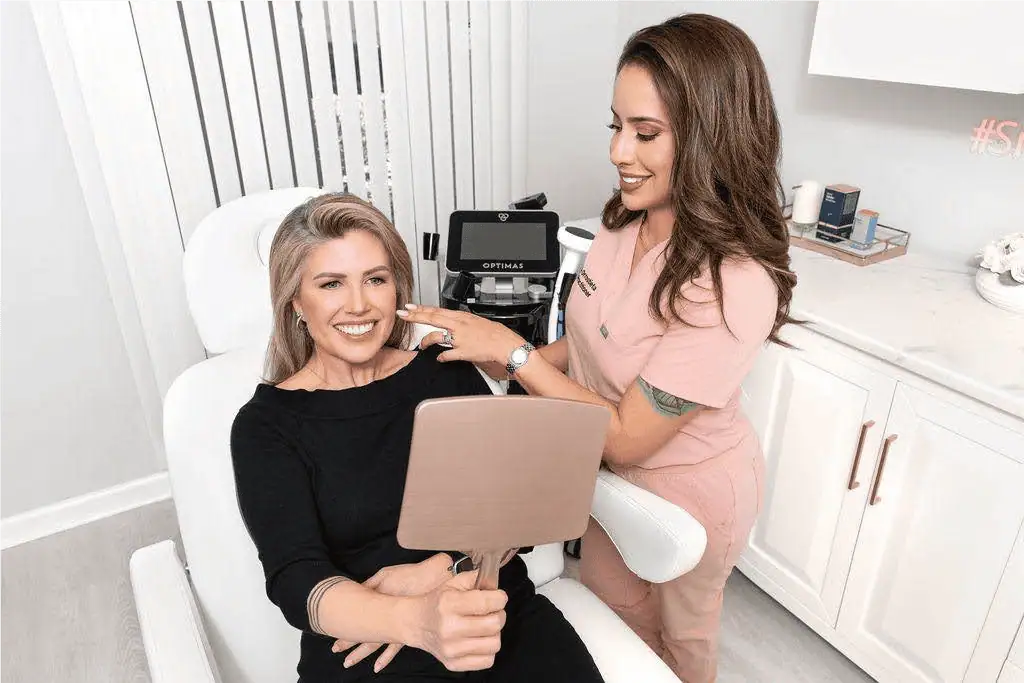
At Rose Medical Aesthetics, we specialize in interrupting this cycle. We bridge the gap between medical dermatology and aesthetic rejuvenation. We don’t just treat the pimple; we treat the biological process causing it.
Here is how we tackle “Stress Face” in the clinic.
1. For Stress Acne: Morpheus8 & SkinPen
When stress cysts are deep and painful, topical creams often can’t reach them. We need to go deeper.
- Morpheus8: This is my favorite tool for this issue. It combines microneedling with radiofrequency energy. The heat actually shrinks the overactive oil glands that cortisol has switched on. Plus, it kills the acne bacteria underneath the skin.
- SkinPen: If the stress has left you with texture or scars, SkinPen creates micro-channels that tell your body to produce fresh, healthy collagen, effectively overriding the damage.
2. For Redness: Lumecca IPL
For those of you dealing with the flushing and broken capillaries from adrenaline spikes, we use Lumecca IPL.
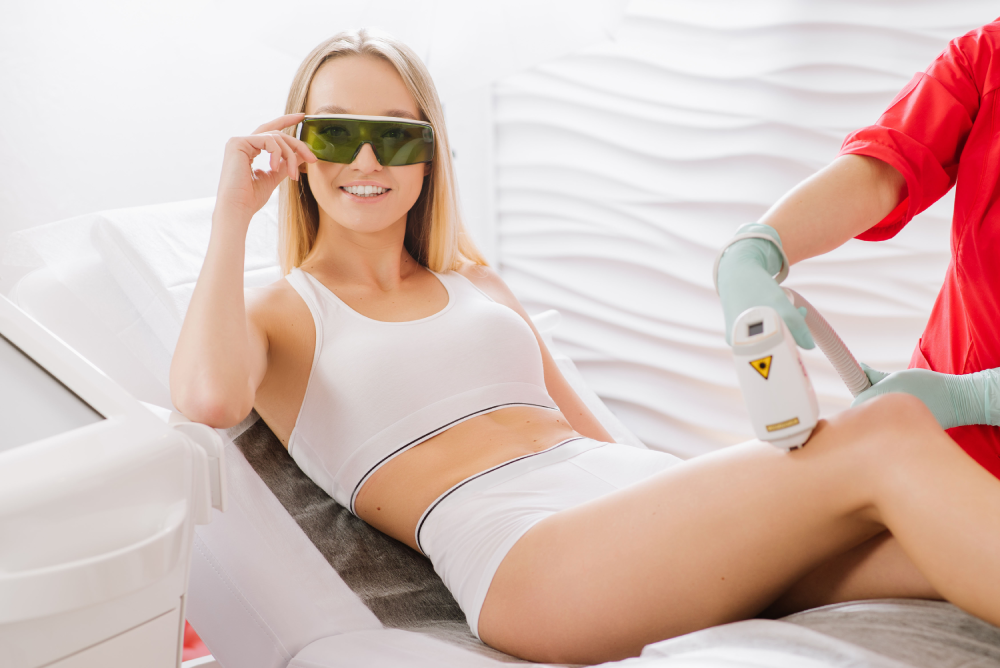
This is the most powerful Intense Pulsed Light device on the market. It targets the red pigment (hemoglobin) in the broken vessels and clears them. It helps reset your skin tone back to a calm, even canvas.
3. For The “Sad Lines”: Botox & Dysport
Sometimes, we need to physically stop the muscles from reacting to stress.
- Neurotoxins: By using Botox or Dysport, we can relax the muscles between your brows and in your jaw. It prevents you from unconsciously scowling or clenching. Interestingly, studies have shown that preventing the ability to frown can actually signal the brain to feel less negative emotion!
4. At Home: The “Barrier First” Approach
While you are seeing us for treatments, your home routine needs to be gentle.
I always tell my patients: When you are stressed, stop the scrubs.
Your barrier is already compromised. Now is not the time for harsh acids or aggressive experimentation. We recommend SkinBetter Science products because they are medical-grade but focused on barrier repair. Look for ingredients like Ceramides, Niacinamide, and Lipids to patch up the holes in your skin’s defense wall.
Frequently Asked Questions
Can anxiety really cause a rash on my face? Absolutely. As I mentioned, stress hives are very real. The release of histamine due to high emotion can cause red, itchy patches that appear and disappear suddenly.
Will my “Stress Face” go away? Yes. This is not permanent. Once we lower the cortisol levels and repair the barrier with the right treatments, your skin will bounce back. It is resilient—it just needs some help.
What does a “Cortisol Face” look like? High cortisol often leads to a rounder, puffier face (water retention), combined with the inflammatory acne and dullness we discussed. Lymphatic drainage and staying hydrated can help reduce the puffiness.
Conclusion
I want you to leave this article knowing one thing: Your skin is a messenger.
If your face is breaking out, drying out, or flushing, it isn’t trying to annoy you. It is trying to tell you that your body is under pressure.
Treating “Anxiety Skin” requires a mix of kindness to yourself and targeted medical intervention. You need to sleep, you need to breathe, and sometimes, you need a professional to help hit the reset button on your skin barrier.
At Rose Medical Aesthetics in Sarasota, we understand the biology behind the beauty. We provide a sanctuary where you can pause the stress of the outside world and let us handle the clinical side of healing your skin.
Whether you need a Morpheus8 session to clear stress acne or a Lumecca treatment to calm the redness, we are here to help you look like you again, refreshed, radiant, and resilient.
Is stress showing on your skin? Let’s clear it up together. Book your consultation with us today.