Skip to content

Florida’s sun is relentless, and your chest pays the price long before your face shows its age. Decolletage and chest wrinkles: the Florida sun damage you can still reverse is not just a hopeful phrase — it reflects a clinically grounded reality that modern aesthetic medicine has made increasingly achievable.
Key Takeaways
- The chest and décolletage are among the most sun-exposed areas on the body, yet they receive far less daily SPF protection than the face.
- Solar elastosis, the breakdown of collagen and elastin from UV exposure, appears earlier and more aggressively on the chest than on most other body areas.
- Multiple professional treatments, including laser resurfacing, chemical peels, microneedling, and injectables, can meaningfully reduce the appearance of chest wrinkles.
- Prevention and reversal work together: starting treatment now while committing to daily sun protection delivers the best long-term outcomes.
- Sarasota residents have access to qualified medical aesthetic providers who specialize in treating sun-damaged décolletage without requiring surgery.
- Consulting with a licensed provider is the essential first step, because the right treatment depends on your skin tone, damage depth, and lifestyle.
Why the Chest Ages Faster Than Your Face in Florida
Most people invest in facial skincare religiously. Retinol at night, SPF in the morning, antioxidant serums in between. The chest, however, rarely receives that same attention, even though it spends just as much time in the Florida sun.
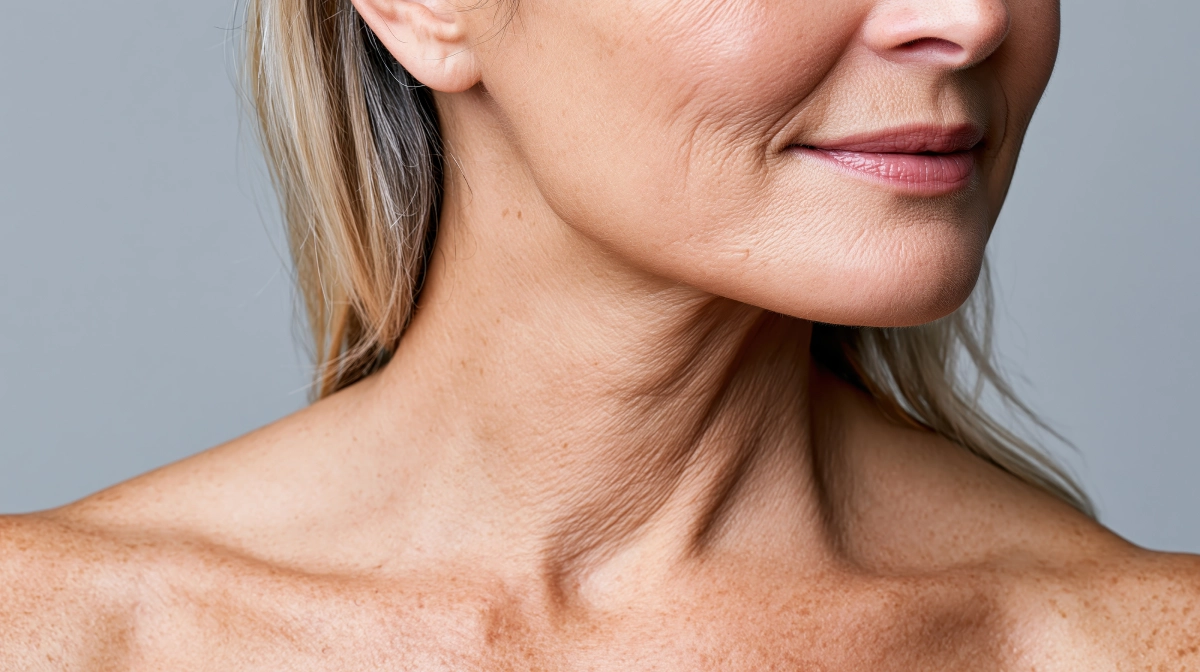
Clinical observation consistently confirms that solar elastosis, the structural breakdown of collagen and elastin caused by cumulative UV exposure, appears earlier and more aggressively on the chest than on most other body areas. The skin of the décolletage is also thinner than facial skin in many respects, which means UV radiation penetrates more readily and the visible signs of damage accumulate faster.
In Florida, the equation is even more unforgiving. The state averages more than 230 sunny days per year, and UV index readings regularly climb into the “very high” or “extreme” range between May and September. Add decades of outdoor living, boating, beach days, and open-necked clothing, and it becomes easy to understand why many Florida residents in their 40s and 50s notice that their chest looks significantly older than their face.
The American Academy of Dermatology notes that approximately 9,500 Americans are diagnosed with skin cancer daily, a figure that underscores just how pervasive sun damage is across the country. The visible wrinkles and crepey texture of a sun-damaged décolletage are the surface-level signs of deeper cellular injury that warrants attention.
What Is Actually Happening Beneath the Skin
Understanding the biology of chest wrinkles helps you evaluate treatments more effectively and set realistic expectations.
The skin’s structural integrity depends on two proteins: collagen, which provides firmness, and elastin, which allows the skin to snap back after movement. UV radiation from sunlight damages both. Over time, repeated UV exposure causes the body to produce abnormal elastin fibers in a process called solar elastosis, while collagen production steadily declines. The result is skin that looks creased, leathery, and loose.
There are also mechanical factors specific to the chest. Side-sleeping positions, for example, cause persistent lateral compression that creates vertical chest wrinkles over time. These lines can deepen as the skin loses its elasticity and becomes less able to smooth itself out after hours of pressure.
Pigmentation changes, including brown spots, uneven tone, and visible capillaries, often accompany the textural damage. The Westlake Dermatology overview of chest aging identifies these combined changes as characteristic of photoaged chest skin, reinforcing that what most people see as “just wrinkles” is actually a layered set of skin changes that each benefit from targeted treatment.
The Treatment Options That Actually Work
Not every treatment is appropriate for every patient, and the chest presents unique considerations. The skin here is more delicate than the face, less vascularized, and slower to heal. A provider experienced in décolletage treatment will calibrate their approach accordingly.
Laser Resurfacing
Fractional laser treatments, including CO2 and erbium lasers, resurface the skin by creating controlled micro-injuries that stimulate collagen production. On the chest, fractional approaches are preferred because they leave islands of untreated skin that accelerate healing. Results include smoother texture, reduced fine lines, and improved pigmentation. Multiple sessions are typically needed, and the chest requires longer recovery and more conservative settings than the face.
Chemical Peels
Medium-depth and superficial peels using trichloroacetic acid (TCA) or alpha hydroxy acids can improve surface texture, reduce pigmentation, and stimulate mild collagen renewal. They are more accessible in terms of cost and downtime than laser, but also produce more modest results on deep chest wrinkles. Peels are often used as part of a longer treatment plan rather than a standalone solution.
Microneedling with RF or PRP
Radiofrequency microneedling delivers heat energy into the dermis through tiny needles, triggering significant collagen remodeling without removing the surface layer of skin. This makes it particularly well suited to the chest, where healing can be slower. Platelet-rich plasma (PRP), derived from your own blood, is sometimes applied following microneedling to amplify the regenerative response.
Topical Prescription Treatments
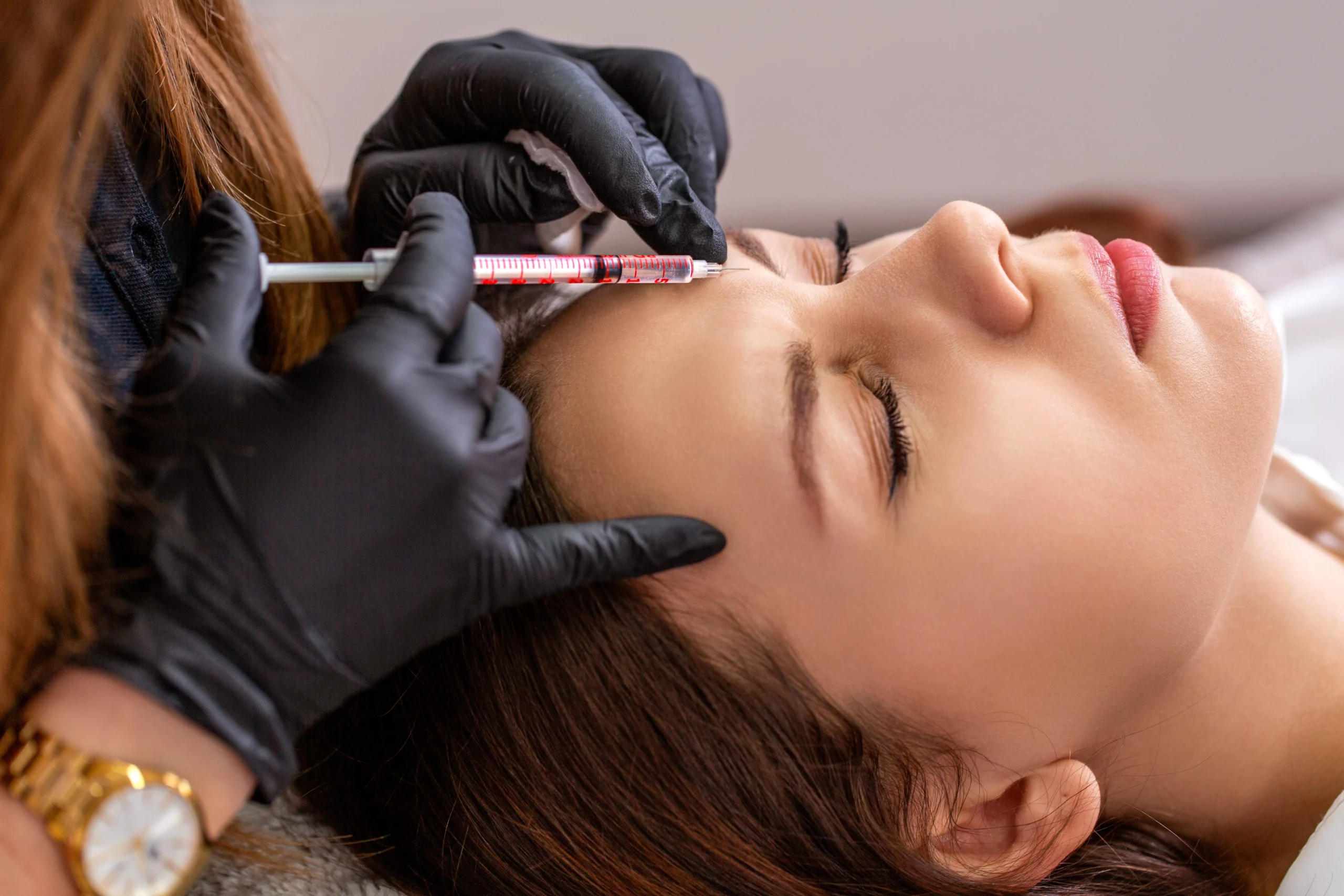
Hyaluronic acid fillers can improve shallow crepiness when injected superficially into chest skin. Biostimulators such as Sculptra (poly-L-lactic acid) or Radiesse work differently: they stimulate your body’s own collagen production over several months, gradually restoring volume and firmness. These options are not designed to eliminate deep furrows but can make a meaningful difference in overall skin quality and volume loss.
Topical Prescription Treatments
Tretinoin, the prescription-strength form of vitamin A, has decades of clinical support for improving photoaged skin. It accelerates cell turnover, stimulates collagen synthesis, and can fade hyperpigmentation. The chest is a viable application site, though the skin there can be more sensitive to irritation. Starting at a lower concentration and applying less frequently is generally advisable for the décolletage. Additional research on the effects of dietary supplements on sun-damaged skin is ongoing, as seen in this registered clinical trial on ClinicalTrials.gov.
Comparing Treatment Options for Florida Chest Sun Damage
| Treatment | Best For | Sessions Needed | Downtime | Approx. Cost Range |
| Fractional Laser | Deep lines, texture, pigment | 2-4 | 5-10 days | $800-$2,500 per session |
| Chemical Peel | Surface texture, mild pigment | 3-6 | 3-7 days | $150-$600 per session |
| RF Microneedling | Crepiness, firmness, collagen | 3-4 | 1-3 days | $600-$1,500 per session |
| Biostimulators (Sculptra) | Volume loss, skin laxity | 2-3 | Minimal | $900-$2,000 per session |
| Tretinoin (Rx topical) | Maintenance, mild improvement | Ongoing | None | $30-$80 per month |
| Injectable Fillers | Superficial crepiness | 1-2 | Minimal | $700-$1,500 per session |
Costs vary based on geographic location, provider qualifications, and the extent of treatment required. The figures above reflect general ranges in the Florida medical aesthetic market and are not guarantees of pricing at any specific practice.
What to Do Before and After Treatment
Before treatment:
- Avoid sun exposure to the chest for at least two weeks before any laser or peel procedure.
- Discontinue retinoids and exfoliating acids as directed, typically one to two weeks ahead.
- Inform your provider of any history of cold sores, as some treatments can trigger reactivation.
- Stay well-hydrated and avoid blood-thinning supplements like high-dose fish oil or vitamin E before injectable treatments.
After treatment:
- Apply SPF 30 or higher to the chest every single day, regardless of whether you plan to be outdoors. The Skin Cancer Foundation recommends broad-spectrum SPF 30 as a minimum for daily use.
- Avoid direct sun for the duration specified by your provider, typically a minimum of two to four weeks post-procedure.
- Follow a gentle, hydrating skincare routine and avoid abrasive products until healing is complete.
- Attend all recommended follow-up sessions, as a series of treatments almost always outperforms a single session.
Why Sarasota Patients Should Act Now, Not Later
Sun damage is cumulative and progressive. Every unprotected day in the Florida sun adds to the total UV burden your skin has absorbed, deepening existing lines and creating new pigmentary changes. The good news is that skin retains a meaningful capacity to regenerate collagen when given the right stimulus, and this capacity, while it does decline with age, does not disappear entirely.
Waiting tends to make the gap between your current skin and your treatment goal wider, requiring more sessions, more aggressive approaches, and longer recovery periods to close. Starting a treatment plan now, even if it begins with something as straightforward as a consultation and a prescription retinoid, puts you ahead.
The Intimia blog on chest sun damage repair notes that consistent topical care combined with professional treatment produces better outcomes than either approach alone, a point that most experienced aesthetic providers would echo.
The décolletage is one of the first things people notice when you wear a neckline, a swimsuit, or summer clothing. In a state where that kind of exposure is a year-round reality, the visible age of your chest matters to how you feel about your appearance. The tools to address it are available, effective, and increasingly accessible.
Building a Long-Term Plan for Your Décolletage
A single treatment session is rarely the whole answer for moderate to severe chest sun damage. The most effective approach is a structured plan that layers modalities, addresses different aspects of the damage at different stages, and incorporates daily maintenance habits between sessions.
A realistic plan might look like this:
- Initial consultation: A qualified provider assesses your skin type, damage severity, and medical history to recommend the most appropriate starting point.
- First treatment phase: A series of RF microneedling or chemical peels to begin improving texture and stimulating collagen over two to three months.
- Laser refinement: After the skin has stabilized, a fractional laser session can target residual pigmentation and deeper lines.
- Maintenance: Prescription retinoid use, professional-grade SPF, and periodic booster treatments every six to twelve months.
For Sarasota residents, having access to a local provider with specific experience in treating photoaged décolletage skin is a significant advantage. Chest skin responds differently from facial skin, and not all general aesthetic practices have the same depth of experience with this area. Seeking out a provider who understands the nuances of décolletage treatment, and who will adapt the approach to your skin’s individual response over time, is the most important factor in achieving lasting results.
The Pulse Light Clinic overview of décolletage treatment reinforces that combining multiple treatment types within a planned protocol is the standard recommended approach for patients with significant sun-related chest changes.
Things to Know
- The décolletage includes the upper chest, neck, and collarbone area, and all three zones can show different types and depths of sun damage that may require slightly different treatment approaches.
- Chest skin heals more slowly than facial skin after procedures like laser resurfacing or chemical peels, which is why providers use more conservative settings in this area — do not assume a facial treatment protocol translates directly to the chest.
- Side-sleeping is a major mechanical contributor to vertical chest wrinkles, and no treatment will fully eliminate these lines if the compression continues nightly. A chest pillow or back-sleeping habit can meaningfully slow their return after treatment.
- Pigmentation changes such as brown spots and broken capillaries on the chest are often easier to treat than deep textural wrinkles, but they require different tools. A provider who only offers one or two modalities may not be able to address all your concerns in a single plan.
- Biostimulators like Sculptra produce results gradually over three to six months, meaning patients who start treatment now will see peak improvement well into the following season rather than immediately.
Book Your Décolletage Consultation at Rose Medical Aesthetics in Sarasota
Florida’s sun does not pause, and neither should your plan to address the damage it has already done. At Rose Medical Aesthetics, Rosalie Orrostieta and her team in Sarasota specialize in personalized aesthetic treatments designed for real skin concerns, including sun-damaged décolletage that deserves more than a one-size-fits-all solution. Whether you are exploring laser resurfacing, RF microneedling, or a combination approach, the right starting point is a one-on-one consultation with a provider who understands how Florida skin ages.
Call Rose Medical Aesthetics today at 941-344-9850, visit the practice at 3100 Southgate Circle, Sarasota, FL 34239, or find them on Google Maps to book your consultation and take the first concrete step toward reversing your chest sun damage.
Frequently Asked Questions
Q: How many treatments does it take to see noticeable improvement in chest wrinkles?
The number of treatments needed depends on the depth of damage, the modality used, and your skin’s individual response, but most patients begin to see visible improvement after two to three sessions.
For surface-level pigmentation and mild crepiness, a series of three to four chemical peels or microneedling sessions often produces satisfying results. Deeper lines and significant solar elastosis typically require a more layered plan that may include fractional laser as a later phase, with results continuing to develop over several months as collagen remodels.
Q: Is it safe to treat décolletage skin the same way you treat facial skin?
No, chest skin requires modified protocols because it is thinner in some respects, slower to heal, and more prone to scarring and pigmentation changes if treated too aggressively.
Experienced providers use lower laser fluences, more diluted peel formulations, and longer intervals between sessions when treating the décolletage compared to the face. This is not a limitation but a clinical standard that prioritizes safety and consistent results over speed.
Q: Can sun-damaged chest skin actually be reversed, or can it only be managed?
Meaningful reversal of sun damage is achievable for most patients, though complete restoration to pre-damage skin is not a realistic goal for moderate or severe photoaging.
Treatments like fractional laser and RF microneedling stimulate new collagen production, which genuinely replaces some of the structural protein lost to UV exposure. Pigmentation caused by sun damage can be significantly reduced. What cannot be fully reversed is decades of cumulative skin thinning, but the visual improvement from a well-planned treatment series is often substantial enough to be transformative in day-to-day confidence.
Q: Is minoxidil safe for long-term use in women?
Apply a broad-spectrum SPF 30 or higher to your chest every morning, year-round, reapplying every two hours during outdoor exposure.
Most people apply facial sunscreen and stop at the jawline, leaving the chest unprotected for the entire day. For Florida residents, this is a significant gap. A lightweight, non-greasy SPF formulated for body use makes daily application more comfortable and sustainable. Pairing sunscreen with a retinoid used at night is widely regarded as the most effective two-step topical regimen for preventing further damage while supporting skin renewal.
Q: What is the difference between a biostimulator and a filler for chest wrinkles, and which is better?
Fillers add immediate volume to specific areas, while biostimulators like Sculptra work by triggering your own collagen production gradually over several months.
For the chest, biostimulators are often preferred for diffuse crepiness and skin laxity because the improvement is gradual, natural-looking, and spreads across a larger surface area rather than targeting a single line or hollow. Fillers can be useful for localized concerns but are not typically the primary tool for broad chest rejuvenation. Your provider may recommend one, the other, or a combination depending on your anatomy and goals.