Skip to content
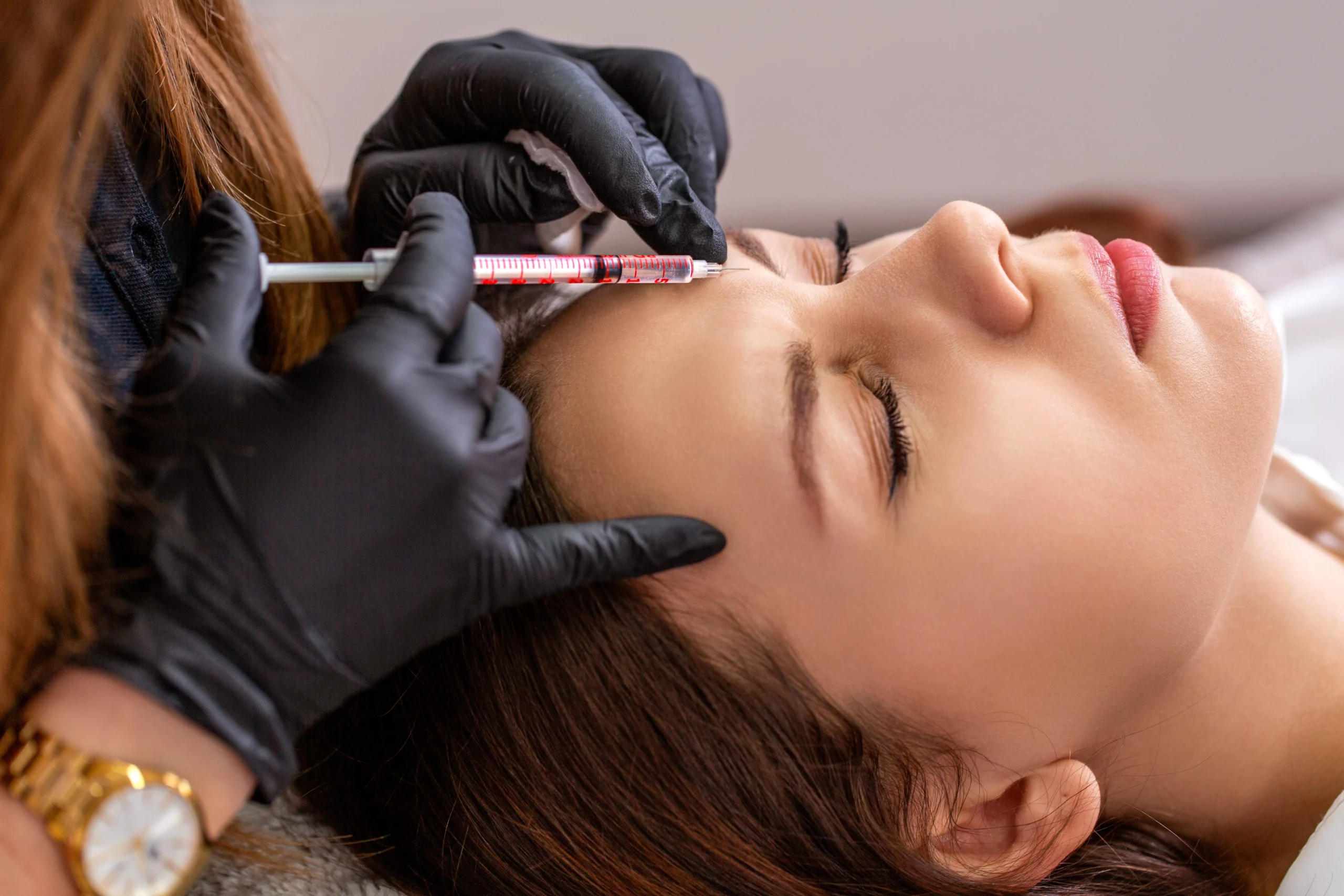
A non-surgical facelift uses a combination of injectables, energy-based devices, and thread-based technologies to restore facial volume, soften lines, and improve skin firmness without going under the knife. It can produce meaningful improvements in mild to moderate aging, but it cannot replicate the structural repositioning that a surgical facelift delivers.
Key Takeaways
- Non-surgical options work best for mild to moderate skin laxity; significant sagging typically requires surgery for lasting correction.
- Research published in the Journal of Clinical and Aesthetic Dermatology suggests combination non-surgical approaches can achieve 50-70% of surgical results in the right candidates.
- Patient satisfaction for non-surgical treatments typically ranges between 75-85%, compared to 95-97% for surgical facelifts.
- Maintenance treatments are an ongoing cost; non-surgical results last months to a few years, not indefinitely.
- Choosing a qualified, licensed aesthetic provider is the single most important decision you will make in this process.
- The non-surgical market is growing fast; according to industry data, the global non-surgical cosmetic procedures market reached $28.63 billion in 2025 and is projected to reach $47.37 billion by 2030.
Surgical vs. Non-Surgical: Understanding the Core Difference
Before you can make an informed choice, you need to understand what separates these two categories at a fundamental level.
A traditional facelift, also called a rhytidectomy, involves incisions along the hairline and around the ears, through which a surgeon physically lifts and repositions the underlying facial tissues (SMAS layer) before removing excess skin. The results are long-lasting, often 10 or more years, and they address structural changes in the face that no topical treatment or device can reach.
Non-surgical alternatives work entirely on the surface and subsurface layers. They add volume, relax muscles, stimulate collagen, or use absorbable threads to provide a temporary mechanical lift. The trade-offs are real: less downtime, lower upfront cost, and no anesthesia risk, but also less dramatic results and ongoing maintenance costs.
The non-surgical cosmetic procedures market reached $28.63 billion in 2025 and is projected to reach $47.37 billion by 2030 at a compound annual growth rate of 10.5%, according to industry market research. That kind of growth reflects genuine consumer demand, not just marketing hype.
What a Traditional Facelift Actually Does
A surgical facelift physically reverses the gravitational and structural changes that accumulate over decades. It repositions descended fat pads, tightens loose platysma muscle bands in the neck, removes redundant skin, and redrapes the remaining tissue for a naturally refreshed appearance.
The procedure is typically performed under general anesthesia or IV sedation and takes two to four hours. Recovery involves two weeks of noticeable swelling and bruising, with final results settling in over three to six months.
Who is it right for? The American Academy of Facial Plastic and Reconstructive Surgery notes that most facelift surgeries are performed on individuals aged 40 to 54, a demographic that accounts for nearly half of all such procedures, with patient satisfaction rates reaching 95-97%.
Cost in the United States ranges from approximately $7,500 to $15,000 or more depending on the surgeon’s credentials, geographic location, and complexity of the procedure. Anesthesia fees, facility fees, and post-operative care add to the total.
What a Non-Surgical Facelift Actually Does
A non-surgical facelift is not a single procedure. It is a term used to describe a personalized combination of treatments designed to address volume loss, skin laxity, and muscle hyperactivity without surgery.
Think of it as a curated toolkit. A skilled aesthetic provider like Rosalie Orrostieta at Rose Medical Aesthetics in Sarasota, Florida, assesses your facial anatomy and recommends a plan using the most appropriate tools for your specific concerns.
The key mechanisms at work include:
- Volume replacement: Dermal fillers (hyaluronic acid, calcium hydroxylapatite) restore lost cheek, temple, and jaw volume.
- Muscle relaxation: Neuromodulators like Botox soften dynamic lines caused by repetitive facial movement.
- Collagen stimulation: Energy-based devices like ultrasound (Ultherapy) and radiofrequency stimulate deep collagen production over several months.
- Mechanical lifting: PDO thread lifts use absorbable sutures to provide an immediate repositioning effect with added collagen stimulation.
According to data from the AAFPRS, minimally invasive procedures accounted for 83% of all cosmetic procedures performed in 2023, and the injectable segment alone made up 62.1% of overall non-surgical market revenue in 2024.
Surgical vs. Non-Surgical: A Direct Comparison
| Factor | Traditional Facelift | Non-Surgical Facelift |
| Anesthesia | General or IV sedation | Topical or none |
| Downtime | 2-3 weeks | Hours to a few days |
| Results longevity | 8-12+ years | 6 months to 3 years |
| Ideal candidate | Moderate to severe laxity | Mild to moderate laxity |
| Average U.S. cost | $7,500-$15,000+ | $1,500-$6,000 per session |
| Structural correction | Yes | No |
| Maintenance required | Minimal | Yes, ongoing |
| Risk of complications | Higher | Lower |
| Satisfaction rate | 95-97% | 75-85% |
The table makes the trade-offs clear. Non-surgical treatments cost less per session but require regular upkeep. A surgical facelift is a larger upfront investment that, for the right patient, may cost less over a decade when you factor in the absence of repeat treatments.
Why Patients Are Choosing Non-Surgical Options
Several factors are driving the shift toward non-surgical rejuvenation in 2026.
Minimal disruption to daily life is the most cited reason. You can have a filler treatment at lunch and return to work in the afternoon. That is not possible with surgery.
Lower psychological barrier plays a role, too. Many patients want to address early signs of aging before committing to a surgical procedure. Non-surgical treatments serve as both a standalone solution and a way to delay the point at which surgery becomes necessary.
The GLP-1 effect is real. According to NewBeauty’s analysis of ASPS 2024 statistics, 41% of GLP-1 medication users being prescribed by ASPS surgeons in 2024 were exploring non-surgical options, largely because significant weight loss can accelerate facial volume loss and patients want to address that without going under the knife.
Innovation is accelerating. In February 2025, New York’s IT Intelligent Treatment unveiled SomaCell, described as the first notable non-surgical facelift innovation in the United States since the advent of Ultherapy. The pace of new technology entering this space continues to increase options for patients.
Popular Non-Surgical Techniques: What Each One Delivers
Understanding what each treatment can and cannot do helps you set realistic expectations before booking a consultation.
Dermal Fillers
Fillers restore lost volume and can subtly reposition facial structures by providing structural support. A skilled injector can lift the cheeks, restore jawline definition, and smooth nasolabial folds. Results are immediate and typically last 12-24 months. They do not tighten skin or correct true ptosis.
Botox and Neuromodulators
Botox relaxes the muscles responsible for dynamic wrinkles, such as forehead lines, crow’s feet, and the 11 lines between the brows. A “Botox facelift” using strategic placement can also provide a mild brow lift and jaw slimming. Results last three to four months on average. Botox does not add volume or address skin quality.
Laser Skin Tightening and Resurfacing
Radiofrequency and laser devices target the dermis to stimulate new collagen. They improve skin texture, tone, and mild laxity. They are particularly effective for fine lines and skin quality, not for repositioning descended tissue. Multiple sessions are usually required.
Who Is the Right Candidate for Non-Surgical Treatment
Non-surgical treatments are not a universal solution. The following factors influence candidacy:
- Degree of skin laxity: Mild to moderate laxity responds well. Significant ptosis of the jowls, neck bands, and mid-face will not be adequately corrected without surgery.
- Age: Patients in their 30s and early 40s often achieve excellent results. Patients in their 60s and beyond with substantial aging changes are typically better served by a surgical consultation.
- Skin quality: Thin, sun-damaged skin responds differently to energy devices than thicker, more resilient skin. Your provider should assess your skin type before recommending any device-based treatment.
- Facial anatomy: Bone structure, fat distribution, and the position of key anatomical landmarks all influence which treatments will produce the best outcome for you.
- Realistic expectations: This is the most important factor. Patients who understand that non-surgical treatments improve but do not transform tend to report higher satisfaction. Patients expecting surgical results from non-surgical treatments are at risk of disappointment.
- Medical history: Certain autoimmune conditions, bleeding disorders, and medications can contraindicate specific treatments. Always disclose your full medical history to your provider.
Recovery and What to Expect After Non-Surgical Treatments
One of the genuine advantages of non-surgical options is the recovery profile. Most treatments require little to no downtime.
- Injectables: You may experience mild swelling, redness, or bruising for 24-72 hours. Avoid strenuous exercise, alcohol, and excessive sun exposure for the first 24 hours.
- Thread lifts: Expect some soreness and mild swelling for five to seven days. Avoid extreme facial movements for the first two weeks.
- Energy-based devices: Redness and mild swelling are common immediately after treatment. Full results develop gradually over three to six months as new collagen forms.
Unlike surgery, non-surgical treatments do not require you to arrange time off work, organize post-operative care, or pause medications like blood thinners for extended periods.
- Non-surgical treatments address the visible symptoms of facial aging, such as volume loss and surface wrinkles, but they cannot correct the underlying structural changes that accumulate over decades. If your skin has significant descent or deep jowling, no injectable or device will move tissue the way a surgeon can.
- Maintenance is a real, ongoing financial commitment. Botox requires retreatment every three to four months. Dermal fillers typically last 12-24 months. PDO threads dissolve within six to twelve months. Over five years, the cumulative cost of non-surgical upkeep can approach or exceed the cost of a single surgical procedure.
- The provider matters more than the technology. A highly skilled injector using basic hyaluronic acid filler will consistently outperform an undertrained provider using the most advanced device on the market. Always verify your provider’s credentials, training, and before-and-after portfolio before committing to any treatment.
- Skin type and sun exposure history significantly affect how you respond to energy-based devices. Patients with chronic sun damage, thin skin, or compromised skin barrier function may experience less collagen stimulation from ultrasound or radiofrequency treatments than patients with denser, more resilient skin.
- Combination approaches produce the best non-surgical results. A single treatment modality rarely addresses all dimensions of facial aging. Volume loss, muscle hyperactivity, skin laxity, and skin quality each require a different tool. A well-designed treatment plan uses multiple modalities in sequence.
- Non-surgical does not mean risk-free. Filler complications can include bruising, vascular occlusion, and asymmetry. Thread lifts carry a risk of puckering, infection, and thread visibility. Energy-based devices can cause burns or uneven results in inexperienced hands. Understanding these risks before treatment is part of making an informed decision.
Book Your Non-Surgical Consultation at Rose Medical Aesthetics
If you are ready to understand exactly what non-surgical rejuvenation can do for your specific concerns, the next step is a one-on-one consultation with a qualified provider who will assess your facial anatomy honestly, not just book you for the most expensive treatment on the menu. At Rose Medical Aesthetics in Sarasota, Florida, Rosalie Orrostieta combines clinical expertise with a personalized approach to help you achieve results that look natural and last. You deserve a clear, honest conversation about which treatments align with your goals, your budget, and your timeline before any commitment is made.
Call Rose Medical Aesthetics at 941-344-9850 or find us on Google Maps at 3100 Southgate Circle, Sarasota, FL 34239 to schedule your personalized consultation today.
Frequently Asked Questions
Q: How long do non-surgical facelift results actually last?
Results vary by treatment type, but most non-surgical modalities require maintenance every six months to two years.
Botox typically lasts three to four months. Hyaluronic acid fillers last anywhere from twelve to twenty-four months depending on the product used and the area treated. PDO thread lifts provide visible results for twelve to eighteen months before the threads fully dissolve. Energy-based treatments like Ultherapy produce collagen stimulation that can last one to two years, though the natural aging process continues. Building a long-term maintenance plan with your provider helps sustain results over time rather than chasing each treatment as a standalone fix.
Q: Can a non-surgical facelift replace surgery for someone in their 60s?
For most patients in their 60s with moderate to significant facial aging, non-surgical treatments can improve appearance but are unlikely to replace the structural correction that surgery provides.
The aging process by this stage typically involves substantial descent of the SMAS layer, deep jowling, and excess neck skin, all of which are structural changes that injectables and energy devices are not designed to fully correct. Non-surgical treatments in this age group work well as adjuncts to surgery, as preparation before a procedure, or as maintenance after one. If surgery is not an option due to health reasons or personal preference, a combination non-surgical approach can still produce meaningful cosmetic improvement and is worth exploring with an experienced provider.
Q: What is the difference between Ultherapy and radiofrequency skin tightening?
Both use heat energy to stimulate collagen, but Ultherapy uses micro-focused ultrasound to reach the deeper SMAS layer, while radiofrequency primarily targets the dermis and upper subcutaneous tissue.
Ultherapy is FDA-cleared specifically for lifting the brow, chin, and neck, and it is the only non-invasive device approved for that indication. Radiofrequency devices, including platforms like Thermage and various fractional RF systems, are highly effective for improving skin texture, tone, and mild laxity, particularly in the cheeks and perioral area. The two technologies are often used together in a combination plan because they address different tissue depths. Neither replaces the other, and neither replaces surgery for significant sagging.
Q: Is a non-surgical facelift safe for all skin tones and types?
Most non-surgical treatments are safe across a wide range of skin tones, but certain energy-based devices require careful settings adjustments for patients with deeper Fitzpatrick skin types to minimize the risk of hyperpigmentation or burns.
Injectable treatments including Botox and dermal fillers carry similar safety profiles across skin types, though the anatomy of the face and the distribution of subcutaneous fat can vary between individuals and should inform injection technique. Laser-based resurfacing carries a higher risk of post-inflammatory hyperpigmentation in patients with deeper skin tones, and not all laser wavelengths are appropriate for every skin type. Radiofrequency and ultrasound devices are generally considered more skin-tone neutral, but provider experience with diverse skin types remains an important qualification to evaluate. Always ask your provider directly about their experience treating patients with your specific skin tone.
The Bottom Line on The Non-Surgical Facelift: What It Can and Cannot Do
Non-surgical rejuvenation has come a long way, and for the right candidate, it delivers genuinely impressive results without the recovery burden, anesthesia risk, or surgical cost of a traditional facelift. The key is honest patient selection, realistic expectation-setting, and a thoughtfully designed treatment plan built around your specific anatomy, not a one-size-fits-all menu of services.
What non-surgical treatments cannot do is just as important to understand as what they can. They cannot reposition deeply descended tissue, remove excess skin, or produce results that last a decade without maintenance. Recognizing those boundaries is not a reason to dismiss non-surgical options; it is a reason to pursue them with accurate information and a qualified provider by your side. If you are weighing your options, start with a consultation at Rose Medical Aesthetics in Sarasota, Florida, where Rosalie Orrostieta will give you a straightforward assessment of which path makes the most sense for your goals. Call 941-344-9850 or visit rosemedaesthetics.com to take the first step.