Skip to content

Hyperdilute Radiesse is a skin-quality treatment that uses highly diluted calcium hydroxylapatite to stimulate collagen and elastin production throughout larger areas of the body and face. It is best suited for adults experiencing skin laxity, crepey texture, or volume loss who want gradual, natural-looking improvement without surgery.
Key Takeaways
- Hyperdilute Radiesse differs from standard Radiesse because it is mixed with saline and lidocaine to create a spreadable, biostimulatory solution rather than a volumizing filler.
- The treatment works by triggering your body’s own collagen production, with results that develop over weeks and can last 12-18 months or longer.
- Ideal candidates are adults with mild to moderate skin laxity, crepey skin, or early volume loss, particularly in the neck, décolletage, arms, abdomen, or hands.
- It is not a replacement for surgical lifting procedures and works best when used as part of a broader aesthetic treatment plan.
- Multiple sessions are typically recommended for optimal results, usually 2-3 treatments spaced several weeks apart.
- Consulting with a qualified medical aesthetic provider is essential to confirm candidacy and set realistic expectations.
How Hyperdilute Radiesse Actually Works
Standard Radiesse has been used for years as a dermal filler to add volume to the face. The hyperdilute version takes the same active ingredient, calcium hydroxylapatite (CaHA), and dilutes it significantly, typically in a 1:1 or 1:2 ratio with saline and lidocaine. This changes its function entirely. Instead of sitting in place to add structural volume, the diluted solution spreads across a wider tissue area and acts as a biostimulator.
Once injected, the CaHA microspheres create a scaffold in the dermis and subcutaneous tissue. Your body responds to this scaffold by producing new collagen and elastin. Over the following weeks, this process firms and thickens the skin from within, improving both texture and laxity. The CaHA particles are eventually metabolized and absorbed, but the collagen they stimulated remains.
According to research published on NIH’s National Library of Medicine, calcium hydroxylapatite-based biostimulators show clinically significant improvements in skin firmness and quality across multiple body zones. This is not a temporary fix layered on top of the skin. The improvement comes from genuine structural regeneration inside the dermis.
What Sets It Apart from Traditional Filler
The distinction between standard Radiesse and the hyperdilute version matters a great deal for treatment planning. With traditional Radiesse, the goal is volumization, correcting nasolabial folds, adding cheek projection, or restoring jawline definition. With the hyperdilute version, you are not adding volume. You are improving skin quality.
This means the two products serve different purposes and different patients, even though they use the same active ingredient. Understanding that distinction helps set accurate expectations before you book an appointment.
| Feature | Standard Radiesse | Hyperdilute Radiesse |
| Primary goal | Volume replacement | Skin quality + biostimulation |
| Dilution | Undiluted | Mixed with saline + lidocaine |
| Mechanism | Structural fill | Collagen/elastin stimulation |
| Treatment areas | Face (cheeks, jaw, nose) | Neck, chest, arms, abdomen, hands, face |
| Results timeline | Immediate | Gradual over 4-8 weeks |
| Sessions needed | 1 (often) | Typically 2-3 |
| Duration of results | 12-18 months | 12-18+ months |
Another important distinction is where on the body each version is used. Standard Radiesse is primarily a facial product. Hyperdilute Radiesse, because of its spreadable consistency and biostimulatory mechanism, can be applied across large surface areas, including the neck, chest, inner arms, knees, and abdomen.
Who Is the Right Candidate for This Treatment
Not every patient is an ideal candidate, and understanding this matters before you invest time and money. The best candidates share a few common characteristics.
You may be a good fit if:
- You have mild to moderate skin laxity in areas like the neck, décolletage, arms, or abdomen
- Your skin has become crepey or thin due to aging or weight loss
- You are in your late 30s through 60s and want gradual, natural results
- You prefer a non-surgical option but want more than a topical skincare routine can deliver
- You are in good overall health with no active skin infections or inflammatory conditions in the treatment area
- You have realistic expectations about gradual improvement over several weeks
You may not be the right candidate if:
- You need significant lifting or structural correction, which typically requires surgery
- You are pregnant or breastfeeding
- You have a known allergy to any component of Radiesse
- You have severe skin laxity that would require surgical intervention for meaningful correction
- You have active acne, rosacea flares, or skin infections in the target area
The American Society of Plastic Surgeons provides helpful baseline information on non-surgical aesthetic treatments, and candidates at [](https://rosemedaesthetics.com/) can explore injectable options with experienced professionals dedicated to personalized care.
Age is not a strict cutoff. Some patients in their late 30s with early laxity from sun damage or lifestyle factors respond exceptionally well. Other patients in their 50s see dramatic improvements, particularly in the neck and arms. A thorough consultation is the only reliable way to assess your individual candidacy.
The Most Common Treatment Areas and Why
One of the reasons this treatment has gained significant attention in medical aesthetics is the flexibility of treatment zones. Providers can address areas that traditional fillers simply cannot or should not reach.
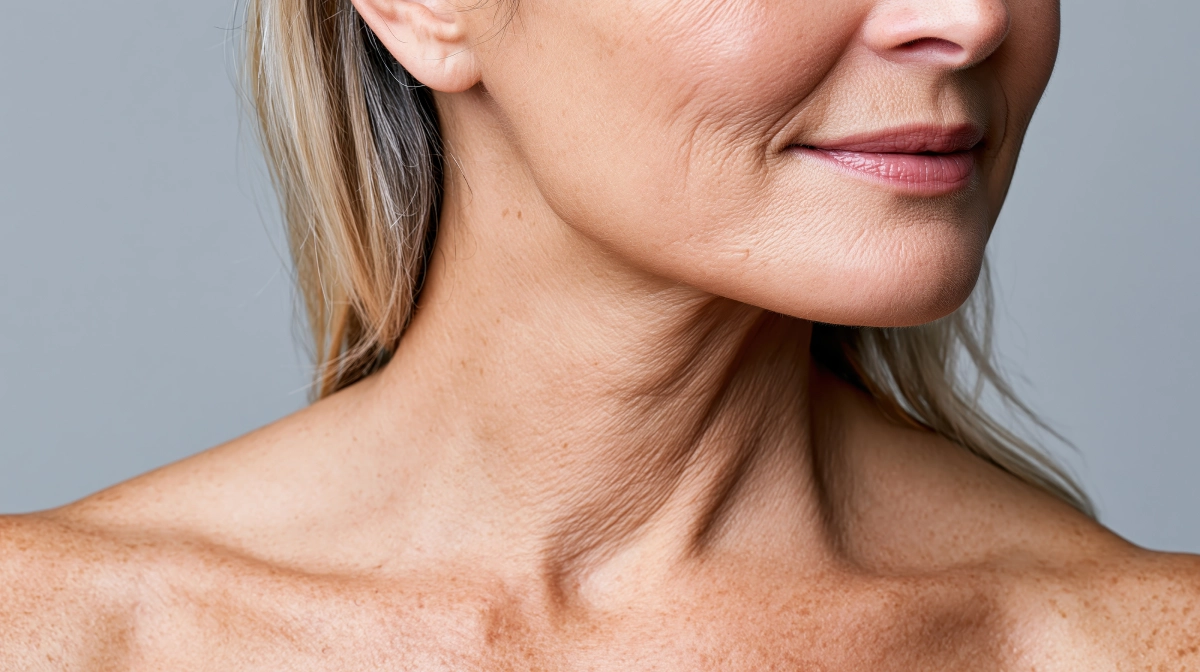
Neck and Jawline: The neck is one of the first places to show age-related laxity. Thinning skin, horizontal lines, and looseness under the chin respond well to biostimulation because the underlying structure can be reinforced without adding unnatural volume.
Décolletage: The chest area is frequently neglected in skincare routines and exposed to years of sun damage. Crepey skin and wrinkles in this zone respond well to the collagen-stimulating effect of hyperdilute CaHA.
Inner Arms: Often called “bat wings,” loose skin on the inner arms is a common concern, especially after significant weight loss. While no injectable fully replicates a surgical arm lift, biostimulation can meaningfully improve tone and texture in mild to moderate cases.
Abdomen and Flanks: Post-pregnancy or post-weight-loss laxity in the abdomen can be addressed, particularly for patients who are not candidates for or not interested in abdominoplasty.
Hands: The dorsal hands lose volume and collagen visibly with age. This treatment restores some skin thickness and quality without creating the overfilled look that traditional fillers can sometimes produce.
What to Expect During and After Your Appointment
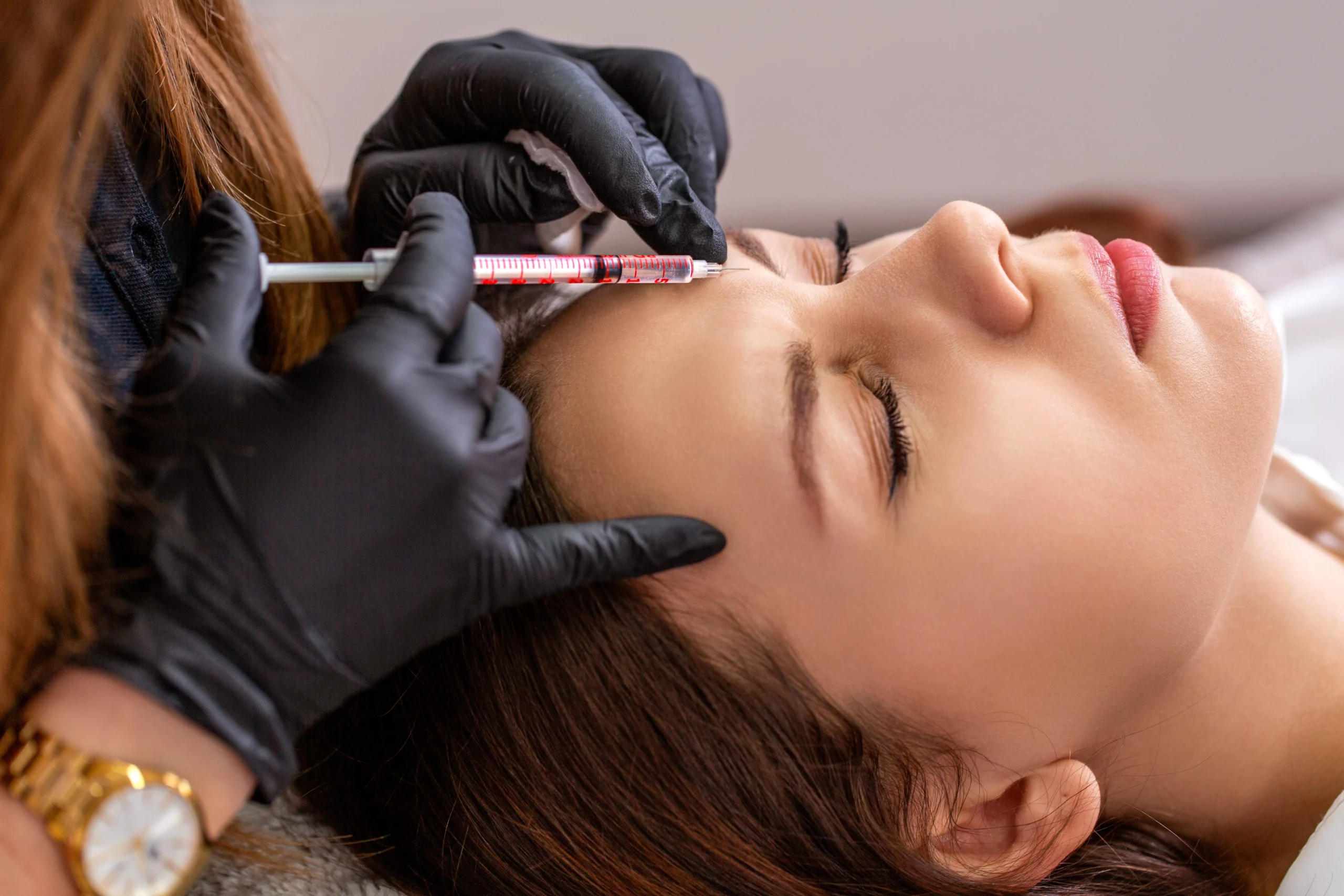
A typical session lasts between 30 and 60 minutes depending on how many areas are being treated. The product is injected using either a cannula or needle technique, and because lidocaine is already mixed into the solution, discomfort is generally minimal.
Immediately after treatment, you may notice some redness, swelling, or small bruising at the injection sites. These effects typically resolve within a few days. Unlike volumizing fillers, you will not see dramatic results the same day. The improvement builds gradually as new collagen forms, with most patients noticing meaningful changes at 4 to 8 weeks post-treatment.
A standard protocol involves 2 to 3 sessions spaced 4 to 6 weeks apart. Maintenance treatments every 12 to 18 months help sustain results as collagen naturally continues to diminish with age.
The Mayo Clinic notes that collagen production naturally declines by roughly 1% per year starting in your mid-20s, which explains both why skin laxity develops and why biostimulatory treatments like this one are increasingly sought by adults across a broad age range.
Things to Know
- Results are gradual. Do not expect an immediate transformation. The most visible changes typically appear 6 to 8 weeks after your first session.
- Combining this treatment with other modalities, such as microneedling, radiofrequency, or PRF, can enhance outcomes for appropriate candidates.
- Hyperdilute Radiesse is an off-label use in some body areas. While widely practiced and clinically supported, you should confirm that your provider is experienced with these applications.
- Sun exposure after treatment should be limited. UV damage breaks down collagen, which directly counteracts the treatment’s benefits.
- Not all providers offer this technique. It requires specific training in dilution ratios, injection technique, and patient selection.
- The cost per session varies widely across the US, typically ranging from $800 to $1,500 per treatment area depending on provider expertise, location, and the amount of product used.
According to Forbes Health’s coverage of aesthetic medicine trends, biostimulatory injectables are among the fastest-growing categories in aesthetic medicine as patients seek results that look natural rather than artificially altered.
Patients who have researched this treatment often wonder how it compares to other biostimulators like Sculptra, which uses poly-L-lactic acid (PLLA) as its active ingredient. Both work through collagen stimulation, but CaHA tends to produce more immediate structural support, while PLLA works more slowly and gradually. Your provider can help you assess which option fits your timeline and goals.
The FDA’s MedWatch safety reporting system provides patients with a resource for understanding the safety profile and approved uses of injectable products, which is useful background reading before any cosmetic procedure.
Book Your Hyperdilute Radiesse Consultation at Rose Medical Aesthetics
If you have been researching this treatment and want a personalized assessment from an experienced provider, now is the right time to take the next step. At Rose Medical Aesthetics in Sarasota, Florida, Rosalie Orrostieta and her team bring a patient-first approach to every treatment plan, ensuring you receive honest guidance on whether this procedure fits your goals and anatomy. Waiting means more time for skin laxity to progress, and earlier intervention typically yields better outcomes.
Schedule your consultation with Rose Medical Aesthetics today by calling 941-344-9850 or visiting the practice at 3100 Southgate Circle, Sarasota, FL 34239. Come in, ask every question on your list, and walk away with a clear, realistic treatment plan built around you.
Frequently Asked Questions
Q: How long do results from this treatment last?
Results typically last between 12 and 18 months, with some patients seeing benefits beyond that timeframe with proper maintenance.
Because the improvement comes from your own newly produced collagen, the results are gradual in arrival but also gradual in fading. Maintenance sessions once or twice a year are commonly recommended to preserve and build on initial outcomes.
Q: Is hyperdilute Radiesse painful?
Most patients report minimal discomfort because lidocaine is included in the diluted solution.
Some sensitivity is normal, particularly in thinner skin areas like the neck or hands. Your provider may also apply a topical numbing cream before treatment if needed to improve your comfort throughout the session.
Q: How many sessions will I need to see results?
The standard protocol is 2 to 3 sessions spaced 4 to 6 weeks apart for most patients.
Some individuals with mild laxity see satisfying results after a single session, while those with more significant concerns may benefit from the full series. Your provider will assess this at your consultation and revisit the plan after your first treatment.
Q: Can this treatment be combined with other procedures?
Yes. It is frequently combined with radiofrequency microneedling, laser resurfacing, or PRF injections for enhanced outcomes.
Combining modalities can target skin quality from multiple angles simultaneously, addressing both surface texture and deeper structural support. Your provider should guide the sequencing and spacing of combination treatments.
Q: What is the difference between Hyperdilute Radiesse and Sculptra?
Both are biostimulatory injectables that promote collagen production, but they use different active ingredients and have slightly different timelines and mechanisms.
Radiesse uses calcium hydroxylapatite, while Sculptra uses poly-L-lactic acid. CaHA often provides more immediate mild structural support in addition to biostimulation, while Sculptra works more gradually. The best choice depends on your specific goals and your provider’s clinical assessment.
The Bottom Line on What Is Hyperdilute Radiesse & Who It’s For
This treatment occupies a genuinely useful space in aesthetic medicine: it addresses skin laxity and texture without surgery, without dramatic downtime, and without the artificial look that overfilled volumizing procedures can sometimes produce. The science behind biostimulation is well-established, the treatment areas are broad, and the right candidates tend to see results that feel completely natural because they literally are. You can find Rose Medical Aesthetics on Google Maps to get directions to the Sarasota office and read patient reviews before your visit.
If skin quality is a growing concern for you and you are not ready for surgery, a consultation with a qualified injector is the clearest next step you can take.