Skip to content

“Ozempic Face” describes the hollowing, sagging, and volume loss that appears in the face following rapid weight loss from GLP-1 medications like Ozempic, Wegovy, and Mounjaro. It is not a direct side effect of the drug itself, but a predictable physical consequence of losing significant fat quickly, and Sarasota residents using these medications are increasingly seeking targeted aesthetic treatments to address it.
If you are on a GLP-1 medication and noticing changes in your face, you are far from alone. A 2024 infodemiologic analysis found that searches for “Ozempic face” increased by 4,600% between November 2021 and December 2024. Research also shows that 61% of GLP-1 patients experience midface volume loss. Understanding why these changes happen, and what your real treatment options look like, puts you in a much better position to decide what comes next.
What Ozempic Face Actually Does to Your Facial Structure
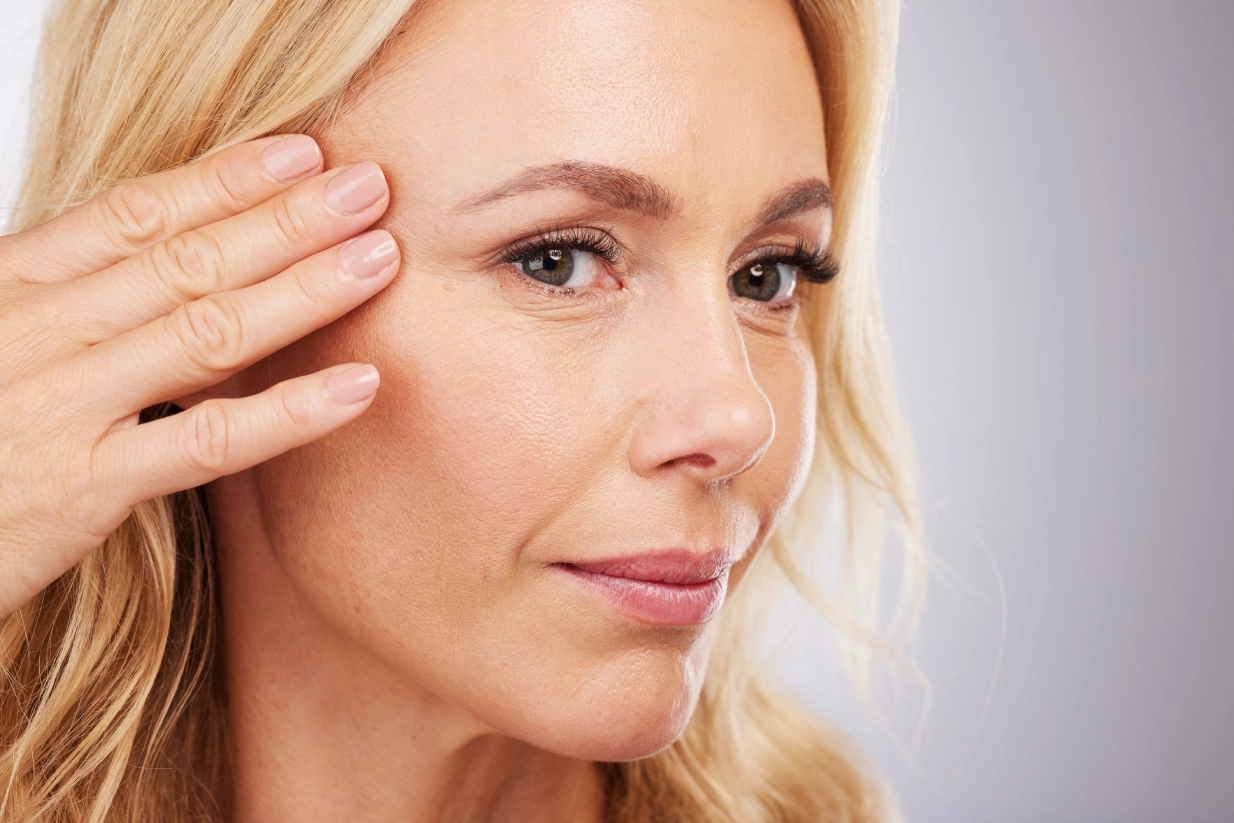
When people talk about “Ozempic Face,” they are usually describing a cluster of visible changes: hollow cheeks, sunken temples, deepened nasolabial folds, sagging jowls, more pronounced fine lines, and a general loss of the soft fullness that gives a face a youthful appearance. These changes can make a person look significantly older even after achieving their weight loss goals.
The face contains a network of small, compartmentalized fat pads layered beneath the skin. These pads are not just cosmetic padding. They provide structural support to the overlying skin and soft tissue. When body weight drops rapidly, those fat pads shrink. The bones of the face become more prominent, the cheeks lose their lift, and the skin, now with less underlying volume to rest on, begins to sag and fold.
According to UCLA Health, these changes are consistent with any significant, rapid weight loss, not exclusively from GLP-1 drugs. Bariatric surgery patients and those following very restrictive diets experience the same facial shifts. The speed of the loss is what matters most, because the skin and soft tissues do not have adequate time to adapt.
There is also a muscle component. Between 25% and 40% of the weight lost on GLP-1 medications comes from lean muscle mass rather than fat alone. Less facial muscle combined with reduced fat volume means the face loses the structural integrity that holds everything in place. That is where the hollowed, aged appearance originates.
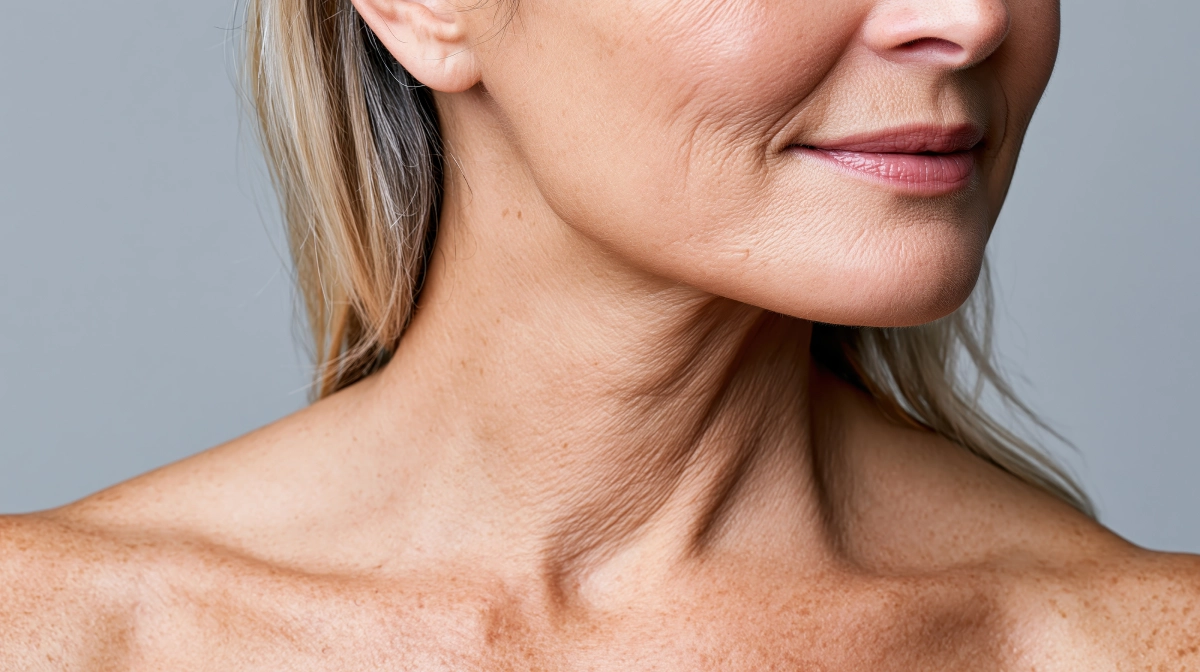
Collagen and elastin loss compound the problem further. Rapid weight loss accelerates the depletion of collagen, which provides structural support to the skin, and elastin, which keeps skin supple and able to snap back. Once these proteins are degraded faster than the body can replace them, skin loses its ability to conform to the new, lower-volume facial contours beneath it.
Things to Know
Before exploring treatment options, there are a few nuances about this condition that often get overlooked:
- The face typically loses volume first. Many people notice facial changes before they see significant changes elsewhere on the body, which can be startling when the rest of the transformation is still underway.
- Rate of loss matters more than total loss. Losing 30 lbs over 18 months produces far less facial disruption than losing the same amount over four months. Slowing the pace of weight loss, when medically appropriate, can reduce the severity of facial changes.
- Stopping Ozempic does not reverse the changes. If facial fat has already been lost, discontinuing the medication does not bring that volume back. Targeted treatments are usually necessary.
- Muscle preservation is critical. Resistance training and adequate protein intake (aim for at least 0.8 grams per pound of body weight daily) help protect lean muscle mass, including in the face.
- Age and skin quality amplify the effect. Patients over 50 tend to experience more pronounced changes because their skin already has less collagen reserve and less elasticity to compensate for volume loss.
- Treatment timing is flexible. You do not have to wait until you reach your goal weight to address facial changes. Many practitioners recommend early, light intervention to stay ahead of significant volume depletion.
Treatment Options for Ozempic Face in Sarasota
Dermal Fillers: Restoring Lost Volume Precisely
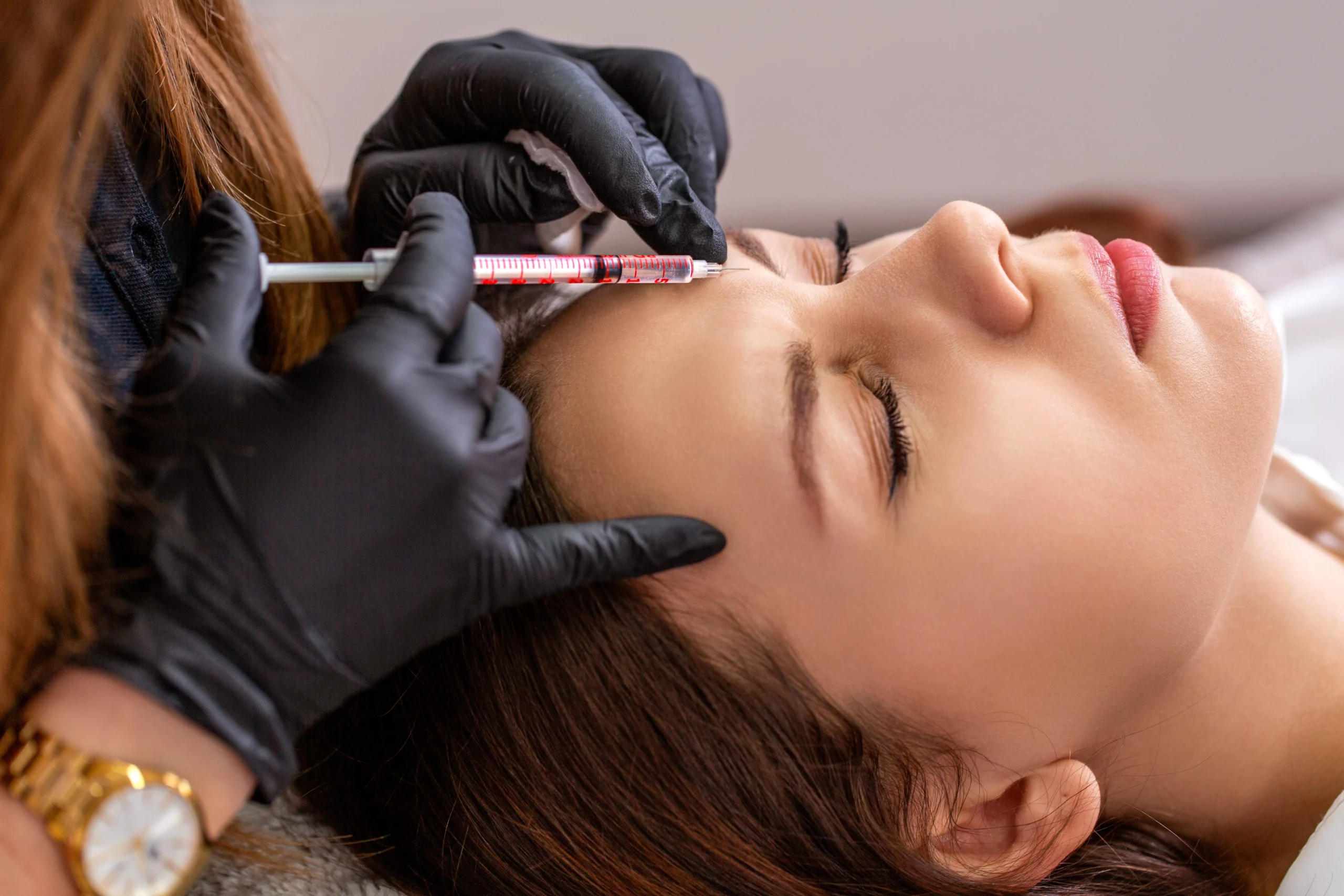
Dermal fillers are the most immediate and commonly used treatment for addressing the volume loss associated with “Ozempic Face.” Hyaluronic acid fillers, such as Juvederm and Restylane, are injected directly into depleted areas like the cheeks, temples, and under-eye hollows to restore fullness and structural support.
Results from filler treatments are visible almost immediately and typically last between 12 and 24 months depending on the product used and the area treated. The procedure itself takes approximately 15 to 30 minutes, requires no general anesthesia, and involves minimal downtime. Most patients return to their daily routine the same day, with only minor swelling or bruising that resolves within a few days.
At Rose Medical Aesthetics in Sarasota, Rosalie Orrostieta takes a customized, anatomy-first approach to filler placement. Rather than applying a standard template, she assesses each patient’s specific pattern of volume loss and works to restore natural-looking contours that complement the face as a whole. You can reach the practice at 941-344-9850 or visit them at 3100 Southgate Circle, Sarasota, FL 34239.
According to Northwell Health, dermal fillers remain one of the most effective non-surgical tools for countering facial changes related to rapid weight loss, particularly when used in the mid-face region.
Botox for Wrinkle Relaxation and Facial Lifting
Botox (botulinum toxin type A) works differently than fillers. Rather than adding volume, Botox temporarily relaxes the muscles responsible for dynamic wrinkles, reducing the appearance of crow’s feet, forehead lines, and frown lines that become more visible when facial volume is lost. It can also be used strategically for a subtle brow lift, which helps counter the drooping that can accompany volume depletion.
Botox results typically last three to four months before a touch-up is needed. For Ozempic face specifically, Botox is often used in combination with fillers rather than as a standalone treatment, since volume loss is the primary driver of the aged appearance.
Dysport: An Alternative Neuromodulator Worth Considering
Dysport is another botulinum toxin product that works similarly to Botox but with a slightly different formulation. It tends to spread more readily after injection, which makes it particularly useful for treating larger surface areas like the forehead. Some patients find that Dysport takes effect a day or two faster than Botox and prefer it for that reason.
The choice between Botox and Dysport is largely personal and practitioner-guided. Rosalie will typically discuss your facial anatomy, your history with neuromodulators, and your specific goals before recommending one over the other.
| Treatment | Primary Benefit | Duration | Downtime | Best For |
| Dermal Fillers | Volume restoration | 12-24 months | Minimal (1-3 days) | Hollow cheeks, temples, under-eyes |
| Botox | Wrinkle relaxation, subtle lift | 3-4 months | None to minimal | Dynamic wrinkles, brow droop |
| Dysport | Wrinkle relaxation (wider spread) | 3-4 months | None to minimal | Forehead, larger treatment areas |
| Fat Grafting | Permanent volume restoration | Long-lasting | 1-2 weeks | Severe volume loss |
| Microneedling | Collagen stimulation, skin tightening | Ongoing with sessions | 1-3 days | Skin laxity, texture |
When Injectable Treatments Are Not Enough
For patients with significant skin laxity or severe volume loss, injectable treatments alone may not produce satisfying results. In those cases, more advanced options become worth discussing:
- Fat grafting uses the patient’s own fat, harvested from another area of the body, and injected into facial zones to restore volume. Results are longer-lasting than hyaluronic acid fillers and carry no risk of filler-related reactions.
- Surgical facelift (rhytidectomy) addresses both excess skin and volume loss. It is the most comprehensive intervention for patients who have experienced dramatic weight loss and have significant skin redundancy.
- Microneedling with radiofrequency (RF) stimulates collagen production and can tighten skin gradually. This works well as a preventative or early-intervention tool for patients who want to improve skin quality before volume loss becomes severe.
What to Realistically Expect From Ozempic Face Treatment
Realistic expectations matter. Dermal fillers restore volume effectively, but they are not a permanent fix. You will likely need maintenance treatments every 12 to 18 months, and if you continue to lose weight, additional treatment may be needed as facial fat continues to diminish.
Combination approaches, meaning fillers for volume and neuromodulators for wrinkle control, consistently produce better overall results than either treatment used alone. According to the Cleveland Clinic, the most successful outcomes come from practitioners who assess the face as a complete, three-dimensional structure rather than treating individual complaints in isolation.
The consultation process at Rose Medical Aesthetics begins with a thorough assessment of where volume loss has occurred, the current condition of your skin, your weight loss trajectory, and your aesthetic goals. From there, a phased treatment plan can be developed that keeps pace with ongoing changes.
The Real Benefits of Addressing Facial Volume Loss
Treating the facial changes associated with rapid weight loss is not purely cosmetic vanity. For many patients, these changes affect self-confidence, professional presence, and overall satisfaction with the results of their weight loss journey.
Key benefits patients report after treatment include:
- Restoration of youthful facial contours without looking “overdone”
- Improved skin texture and reduced appearance of fine lines
- A more balanced relationship between facial appearance and body transformation
- Quick treatment sessions that fit into busy Sarasota lifestyles
- Minimal disruption to daily activities
- Customizable results that can be adjusted over time
It is worth being clear about what treatment does not do: it does not stop ongoing volume loss if you are still losing weight, and it does not improve skin laxity caused by significant collagen loss without additional skin-focused treatments.
Frequently Asked Questions
Q: Is Ozempic Face permanent if left untreated?
The volume loss itself is not naturally reversible once it occurs, but it is treatable.
If you stop losing weight, you will not continue to lose facial fat from that cause. However, the volume that has already been lost does not return on its own. Dermal fillers, fat grafting, or other interventions are typically needed to restore what has been depleted.
Q: Can I get filler treatments while still actively losing weight on Ozempic?
Yes, many practitioners treat patients who are still actively losing weight, though the approach may be more conservative.
Treating in phases makes practical sense since additional volume loss may occur. Your provider may recommend starting with lighter filler amounts and scheduling follow-up sessions as your weight stabilizes.
Q: How much do dermal filler treatments for Ozempic Face cost in Sarasota?
Costs vary based on the number of syringes used and the areas treated, but patients in Sarasota typically invest between $600 and $1,800 per session for comprehensive filler treatment.
The exact cost depends on the product used, the volume required, and your provider’s pricing structure. Rose Medical Aesthetics offers consultations where you can get a personalized quote. Call 941-344-9850 for details.
Q: Does losing weight more slowly prevent facial changes entirely?
Slower weight loss significantly reduces the severity of facial changes, though it may not prevent them entirely.
Aiming for one to two pounds of loss per week gives the skin more time to adapt. Strength training and adequate protein intake further support skin elasticity and muscle retention, both of which help protect facial structure. For more on the science, Forefront Dermatology provides detailed guidance on this approach.
Q: How soon after starting Ozempic do facial changes typically appear?
Most patients begin noticing facial changes within three to six months of starting GLP-1 medication, though this varies based on the rate and amount of weight lost.
Those who lose weight quickly tend to see changes sooner and more dramatically. Patients who titrate slowly and pair the medication with resistance training often experience more gradual changes that are easier to manage.
The Bottom Line on Ozempic Face in Sarasota
“Ozempic Face” is a real, scientifically explainable phenomenon that affects a significant percentage of GLP-1 medication users, and it is entirely addressable with the right aesthetic strategy. Understanding the underlying mechanisms, from fat pad depletion to collagen loss, helps you make informed decisions about when and how to intervene.
At Rose Medical Aesthetics, Rosalie Orrostieta brings a personalized, medically informed approach to facial rejuvenation for patients navigating the cosmetic effects of weight loss medications. Whether you are just beginning to notice changes or are looking for a comprehensive treatment plan, the practice is equipped to help you look as healthy as you feel. Reach out at 941-344-9850 or stop by 3100 Southgate Circle, Sarasota, FL 34239 to schedule your consultation.