Skip to content

Hair loss treatments have come a long way, and two of the most talked-about options right now are platelet-rich plasma (PRP) and stem cell therapy. PRP is the more established choice, backed by years of clinical data showing meaningful hair density gains, while stem cell therapy is an emerging approach with exciting potential but less regulatory standing in the United States.
If you are weighing your options and wondering which path makes more sense for your situation, you are not alone. This article breaks down how each treatment works, what results you can realistically expect, what they cost, and who each approach is best suited for. Whether you are dealing with early thinning or have already tried other options without success, this comparison gives you the detail you need to have an informed conversation with a provider.
How Each Treatment Actually Stimulates Hair Growth
Understanding the mechanism behind each therapy helps you evaluate the claims you will encounter at clinics and in marketing materials.
PRP: Activating What Your Follicles Already Have
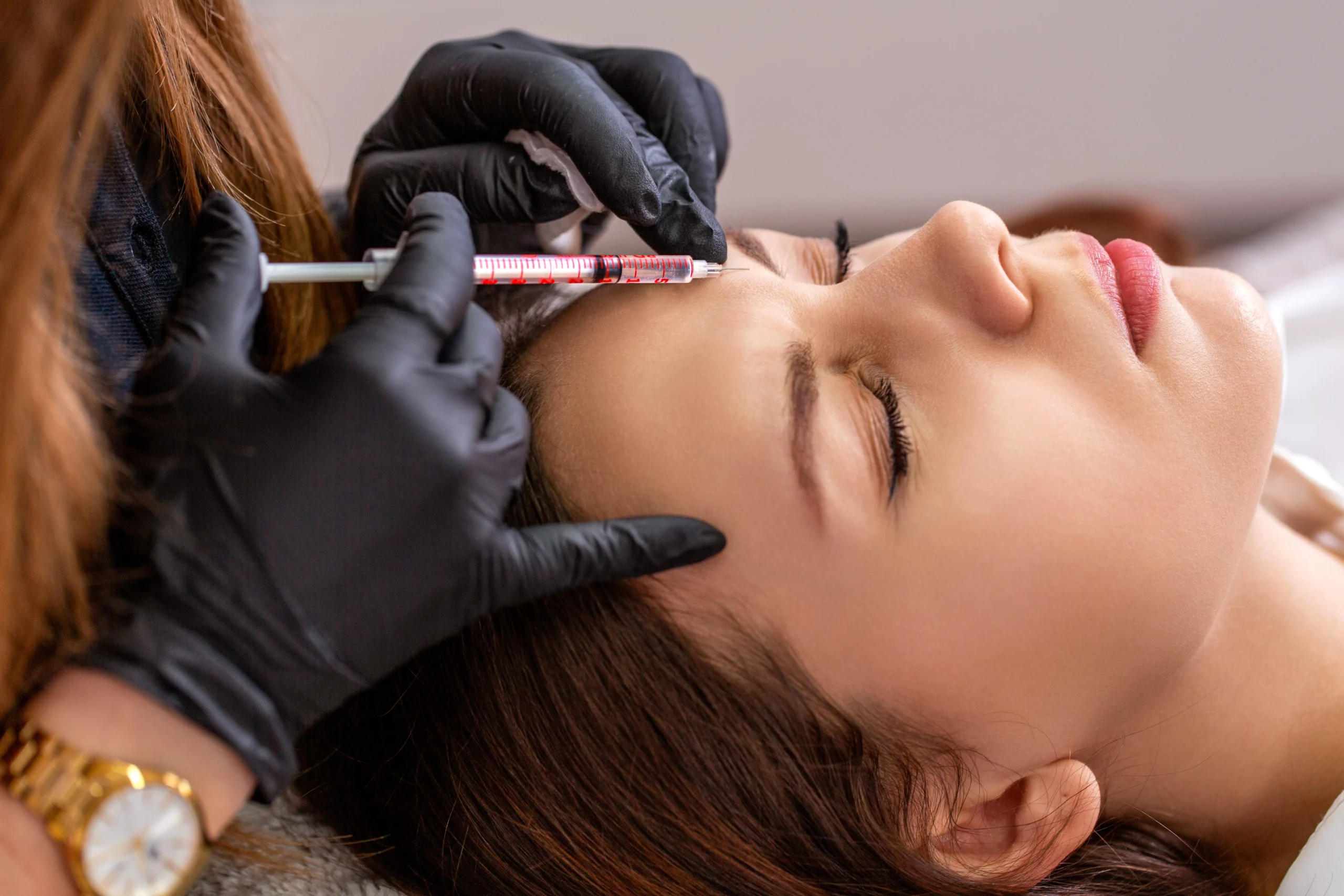
PRP therapy begins with a simple blood draw. Your blood is spun in a centrifuge to concentrate the platelets, which are then injected directly into the scalp at the areas of thinning. Platelets are rich in growth factors, including platelet-derived growth factor (PDGF) and vascular endothelial growth factor (VEGF), that signal your existing follicles to shift out of the dormant (telogen) phase and back into active growth (anagen).
Think of PRP as fertilizer for your scalp. It does not create new follicles from scratch. It nourishes and reactivates follicles that are still viable but underperforming. This is why PRP works best for people who still have thinning hair rather than completely bald areas.
Stem Cell Therapy: Attempting to Rebuild at the Root
Stem cell therapy for hair loss takes a different approach. Rather than activating existing follicles, the goal is to introduce regenerative cells that may support the formation of new follicular structures. Current approaches used in American clinics typically involve adipose-derived stem cells (taken from fat tissue) or, in some cases, exosome or secretome-based treatments that deliver the signaling molecules stem cells produce.
The analogy most providers use is “seed planting.” Instead of feeding what is already there, stem cell therapy attempts to introduce new biological material that can potentially regenerate tissue at a deeper level. Clinical trials are actively studying this approach, including comparisons between secretome injections and PRP for androgenetic alopecia.
What the Clinical Data Says About Results
PRP Efficacy: Numbers You Can Reference
PRP has a substantial body of evidence supporting its use for hair loss. A 2024 meta-analysis found that patients who completed three to six PRP sessions experienced a 25 to 40 percent increase in hair density. Clinical success rates sit between 70 and 80 percent for individuals with early to moderate hair loss.
Breaking it down further by condition:
| Condition | PRP Response Rate |
| Androgenetic Alopecia | 70-86.7% |
| Alopecia Areata | 56.7-78.6% |
| Telogen Effluvium | 65-75% |
Results typically become noticeable around the three-month mark, with full outcomes assessed after six months. Most patients require maintenance sessions every six to twelve months to sustain density gains.
Stem Cell Therapy Efficacy: Promising, But Smaller Sample Sizes
Stem cell therapy shows comparable short-term results in preliminary studies, with density increases of 20 to 30 percent reported in three to six months. However, the research base is significantly smaller than PRP’s, and study designs vary widely, making it harder to draw firm conclusions.
The honest assessment: PRP is proven and predictable. Stem cell therapy is promising but requires more peer-reviewed, large-scale study before it can be held to the same standard of confidence. The NIH maintains a database of active and completed trials that can help you track where the science currently stands.
Things to Know
- Neither PRP nor stem cell therapy works on completely bald areas. Both treatments require living, functioning hair follicles to be effective. If the follicle is gone, these treatments cannot help.
- No stem cell hair restoration treatment currently holds FDA approval in the United States as of 2026. Any clinic offering stem cell therapy for hair loss is doing so under investigational or off-label status.
- PRP is derived from your own blood, which eliminates compatibility issues. Stem cell therapies, particularly those using donor-derived material, carry a relatively higher risk of immune response.
- Results from both treatments are not permanent. Hair loss is often progressive, and maintenance sessions are typically required to sustain outcomes.
- PRP is far more widely available across the United States. Stem cell therapy for hair loss is offered at fewer specialty clinics and often requires travel to major metropolitan areas.
- Both treatments are considered elective and are not covered by most health insurance plans, meaning you will be paying out of pocket regardless of which path you choose.
Cost Comparison: What You Will Actually Spend
Cost is one of the most significant differentiators between these two treatments. Here is a breakdown of what patients in the United States typically spend:
| Treatment | Cost Per Session | Typical Sessions Needed | Estimated Total Cost |
| PRP Therapy | $500-$1,500 | 3-6 initial sessions | $1,500-$9,000 |
| Stem Cell Therapy | $3,000-$15,000 | 1-3 sessions | $3,000-$45,000 |
Stem cell therapy is three to five times more expensive per session than PRP, and because long-term maintenance protocols are still being established, total cost is harder to predict. PRP, by contrast, has well-documented maintenance schedules that allow for more accurate financial planning.
For most patients pursuing hair restoration at an established medical aesthetics practice, PRP offers a more accessible entry point with a trackable return based on published success rates.
Safety Profile and Regulatory Considerations
PRP: A Strong Safety Record
Because PRP uses your own blood, the risk of allergic reaction or immune rejection is essentially zero. Side effects are typically limited to mild scalp tenderness, temporary redness, and minor swelling at injection sites, all of which resolve within 24 to 48 hours. Serious complications are rare when the procedure is performed by a qualified provider using sterile technique.
The American Academy of Dermatology recognizes PRP as a treatment option for hair loss and acknowledges its safety and efficacy profile in clinical settings.
Stem Cell Therapy: Higher Uncertainty, Less Oversight
Stem cell therapy carries a more complex safety picture. Treatments using a patient’s own cells (autologous) carry lower rejection risk than those using donor-derived material. That said, the lack of FDA approval for any stem cell hair restoration product in the U.S. means there is limited regulatory oversight of how clinics are sourcing, preparing, and administering these treatments.
If you are considering stem cell therapy, asking about the specific cell source, preparation method, and whether the clinic operates under an Institutional Review Board (IRB)-approved protocol is not just reasonable; it is essential.
Who Is a Good Candidate for Each Treatment
You Are Likely a Good PRP Candidate If:
- You are experiencing early to moderate hair thinning
- You have been diagnosed with androgenetic alopecia, telogen effluvium, or alopecia areata
- You want a well-researched option with predictable outcomes
- Your budget is $1,500 to $9,000 for an initial treatment series
- You prefer a treatment with strong safety data and no compatibility concerns
Stem Cell Therapy May Be Worth Exploring If:
- You have not responded adequately to PRP after a full treatment series
- You are interested in participating in a clinical trial or investigational protocol
- You have access to a reputable clinic with documented experience in stem cell-based hair restoration
- You understand and accept the higher cost and less defined outcome expectations
- You are seeking a potentially more intensive regenerative approach for moderate to advanced thinning
Neither option is appropriate for patients with complete baldness. If you have reached that stage, a consultation about hair transplant surgery would be the more relevant conversation.
What to Expect From Your Treatment Experience
PRP Session Walkthrough
A typical PRP session at Rose Medical Aesthetics takes approximately 60 to 90 minutes from start to finish. Blood is drawn, centrifuged to concentrate platelets, and then injected into the scalp using a fine-gauge needle. Topical numbing cream is applied beforehand to minimize discomfort. Most patients return to normal activities the same day, though vigorous exercise and hair washing are typically avoided for 24 hours.
The initial protocol usually consists of three sessions spaced four to six weeks apart, followed by a maintenance session every six to twelve months depending on your response.
Stem Cell Therapy Session Walkthrough
Stem cell therapy sessions tend to be more involved. If adipose-derived cells are used, a minor liposuction procedure is required to harvest fat tissue before processing and injecting the cells into the scalp. Sessions can take two to three hours. Recovery is slightly longer than PRP given the additional extraction step. Exosome or secretome-based treatments are simpler logistically since they do not require harvesting, but they are still more complex than a standard PRP appointment.
Frequently Asked Questions
Q: How many PRP sessions do I need before I see results?
Most patients begin noticing improvement after two to three sessions, with more visible changes at the six-month mark.
PRP stimulates a gradual biological process. Hair growth cycles are long, and reactivating follicles takes time. You should not judge the treatment’s effectiveness based on results after a single session.
Q: Is stem cell therapy for hair loss legal in the United States?
Stem cell hair restoration treatments are legal but are classified as investigational since no product has received FDA approval as of 2026.
Clinics offering these treatments are operating under off-label or research-based frameworks. You should ask any provider to clarify their regulatory basis before proceeding.
Q: Can PRP and stem cell therapy be combined?
Some providers use both treatments together, though this combination protocol does not yet have standardized clinical guidelines.
The theory is that PRP creates a growth-factor-rich environment while stem cells or exosomes add regenerative signaling. Whether the combination meaningfully outperforms PRP alone is still being studied.
Q: Does hair loss come back after stopping PRP treatments?
Yes, because the underlying cause of hair loss, typically genetics or hormonal factors, is not eliminated by PRP.
Maintenance sessions are necessary to sustain results. Without them, hair density typically begins to decline within six to twelve months after the last treatment.
Q: Which treatment is better for women with hair thinning?
PRP is generally the better-supported option for women, particularly those with androgenetic alopecia or telogen effluvium.
Women tend to respond well to PRP because diffuse thinning, which is the most common pattern in women, still involves viable follicles that benefit from growth factor stimulation. Stem cell therapy for female hair loss is still being evaluated in smaller studies.
The Bottom Line on PRP vs. Stem Cell Therapy for Hair Loss
Choosing between these two treatments is not about which one sounds more advanced. It is about matching the right tool to your specific stage of hair loss, your budget, and your tolerance for uncertainty. PRP is the clear frontrunner for anyone with early to moderate thinning who wants a safe, evidence-backed treatment with consistent results and manageable costs. Stem cell therapy is an area to watch and may become significantly more refined in the coming years, but for now, it is best approached with careful vetting and realistic expectations.
At Rose Medical Aesthetics in Sarasota, Florida, Rosalie Orrostieta and her team work with each patient to build a personalized hair restoration plan grounded in current clinical evidence. If you are ready to take the next step, call 941-344-9850 or visit the practice at 3100 Southgate Circle, Sarasota, FL 34239 to schedule a consultation and get a clear picture of which approach suits your hair loss goals.