Skip to content
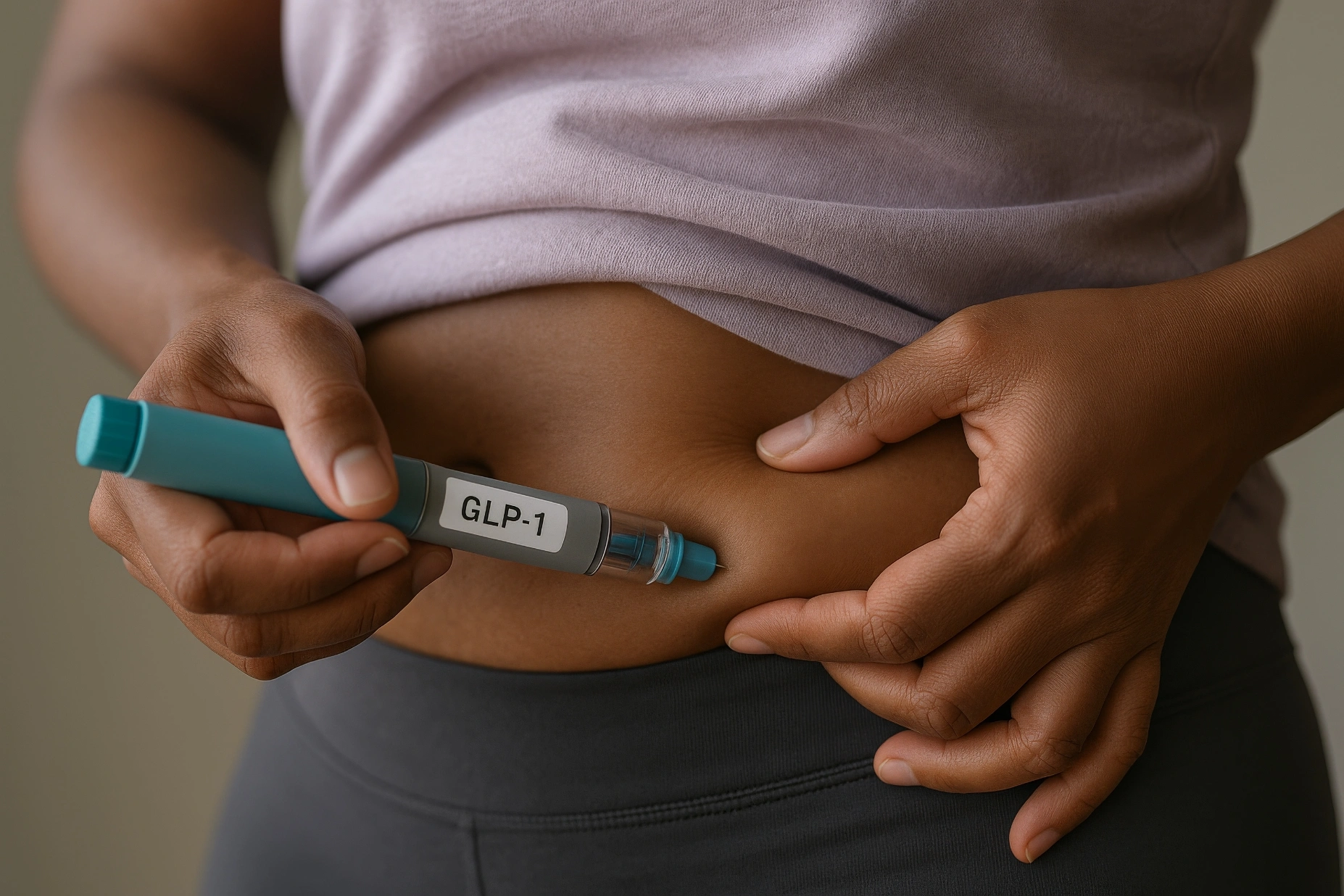
GLP-1 medications like Ozempic and Wegovy have helped millions of Americans lose significant weight, but stopping them triggers a predictable set of physical changes. What happens when you stop a GLP-1 is well-documented: appetite returns, metabolic markers shift, and the body begins trending back toward its pre-treatment baseline.
That last part surprises many patients. The weight loss felt permanent. The smaller appetite felt like a new normal. But as research now confirms, these medications do not reprogram your biology. They manage it. Once the drug clears your system, the underlying physiology reasserts itself, often faster than expected.
This article covers exactly what that process looks like, why so many people discontinue treatment, how your face changes when you lose weight rapidly on a GLP-1, and what options are available if you need to address those changes.
Why So Many People Stop GLP-1 Treatment Before They Plan To
Before getting into what your body does after stopping, it helps to understand why stopping happens so frequently. The numbers are striking.
According to Forbes reporting on GLP-1 discontinuation data, 71% of individuals taking GLP-1 drugs discontinued use after just one year, and 85% stopped within two years. Only 1 in 7 patients remained on therapy at the end of two years.
The reasons break down like this:
- Cost: In a Cleveland Clinic study, nearly half of patients cited out-of-pocket expense as the primary reason. Many GLP-1 medications run $900 to $1,300 per month without insurance coverage.
- Side effects: As many as 20% of patients experience gastrointestinal problems including nausea, vomiting, bloating, and diarrhea, sometimes severe enough to make continued use feel unsustainable.
- Reached a goal weight: Some patients discontinue intentionally after hitting a target, assuming they can maintain the loss on their own.
- Supply shortages: Drug shortages, particularly for semaglutide-based medications, forced many patients off treatment involuntarily.
- Physician guidance: Some providers advise temporary discontinuation during illness, surgery, or pregnancy.
Understanding the reason for stopping matters because it affects the approach to managing what comes next.
What Your Body Does in the Weeks After Stopping
The physiological timeline after discontinuing a GLP-1 is more compressed than most patients expect. These medications work by mimicking a hormone called GLP-1 (glucagon-like peptide-1), which signals fullness to the brain, slows gastric emptying, and regulates insulin response. When you stop taking the medication, those signals stop.
According to UPMC Health, your brain no longer receives signals that reduce appetite, food thoughts become more frequent, and your stomach digests meals faster, which means you feel hungry sooner after eating. This can happen within days of the last dose.
Here is a general timeline of what most patients report:
| Timeframe | What Typically Happens |
| Days 1-7 | Appetite increases noticeably; stomach empties faster |
| Weeks 1-4 | Hunger cues return to pre-treatment levels |
| Month 1-3 | Weight begins increasing, averaging about 0.9 lbs per month |
| Months 3-12 | About 60% of lost weight is regained within 12 months |
| 12-24 months | Return to near-baseline weight for many patients |
Research published through the Cleveland Clinic offers a slightly more optimistic picture. In their analysis of nearly 8,000 patients, 55% of those in the obesity group gained weight in the year after stopping, but 45% either continued losing or maintained their weight. Individual variation is real, but the average trajectory is upward.
Experts have been clear that this is not a personal failure. As one clinical researcher noted, “obesity is a chronic disease, and it requires chronic management.” There is no evidence that GLP-1 medications produce any substantially lingering effect once stopped.
The Metabolic Changes That Go Beyond the Scale
Weight regain is the headline, but the internal metabolic picture shifts at the same time. According to AARP’s coverage of GLP-1 discontinuation research, stopping the medication can cause blood pressure, blood sugar, and cholesterol levels to creep back up alongside weight.
More concerning, one study found that the risk of heart disease, heart attack, and stroke increased after people stopped taking a GLP-1. This is particularly relevant for patients who started the medication specifically for cardiovascular risk reduction rather than weight loss alone.
On average, research suggests return to baseline weight occurs within about 1.7 years of discontinuation. That compression of timeline means the metabolic benefits gained during treatment can erode faster than patients expect. Anyone with Type 2 diabetes, hypertension, or a prior cardiovascular event should speak with their prescribing physician before making any changes to their GLP-1 regimen.
“Ozempic Face”: What Facial Volume Loss Actually Looks Like
One of the more visible and emotionally difficult side effects of GLP-1-related weight loss is facial volume loss, commonly called “Ozempic face.” When the body loses weight rapidly, it draws fat from all areas, including the face. The facial fat pads that give cheeks their fullness and support the skin around the eyes and jawline diminish noticeably.
The result is a set of specific structural changes:
- Sunken or hollow cheeks
- Deeper nasolabial folds (the lines from nose to mouth)
- Sagging skin along the jawline and jowls
- Under-eye hollowing (tear trough deepening)
- Thinning of the lips
- Overall gaunt or drawn appearance
This happens because GLP-1s do not selectively target abdominal or subcutaneous fat. Fat is lost systemically. The face, which relies on fat volume for its youthful structure, is particularly vulnerable. Patients who lose 20 or more pounds often notice these changes in the mirror before their clothes reflect the loss.
What makes this especially complex is timing. If you stop your GLP-1, some weight may return, which could partially restore facial volume. However, skin that has stretched and lost elasticity does not always “bounce back” the same way fat volume does. Many patients find that even after regaining some weight, the facial sagging and hollowing persist.
Treating Facial Volume Loss After GLP-1 Use
The good news is that effective aesthetic treatments exist for each of the specific changes associated with GLP-1-related facial aging. At Rose Medical Aesthetics in Sarasota, Florida, Rosalie Orrostieta works with patients experiencing exactly these concerns, offering treatments tailored to the structural changes that rapid weight loss produces.
Dermal Fillers for Structural Restoration
Dermal fillers are typically the first-line treatment for GLP-1-related facial volume loss. Hyaluronic acid-based fillers (like Juvederm and Restylane) or biostimulatory fillers (like Sculptra or Hyperdilute Radiesse) are injected strategically into areas where fat has been lost.
Key facts about dermal filler treatment in this context:
- Treatment time: Typically 30-60 minutes per session
- Results: Visible immediately for hyaluronic acid fillers; Sculptra Hyperdilute Radiesse builds gradually over 3-4 months
- Duration: Hyaluronic acid fillers last 9-18 months; Sculptra Hyperdilute Radiesse can last 2+ years
- Target areas: Cheeks, temples, under-eye hollows, nasolabial folds, jawline
- Reversibility: Hyaluronic acid fillers can be dissolved with hyaluronidase if results are unsatisfactory
The key distinction when treating Ozempic face is volume. These patients do not need subtle refinement. They need structural rebuilding, which means providers experienced with higher-volume treatment protocols get the best outcomes.
Neurotoxin Treatments: Botox and Dysport
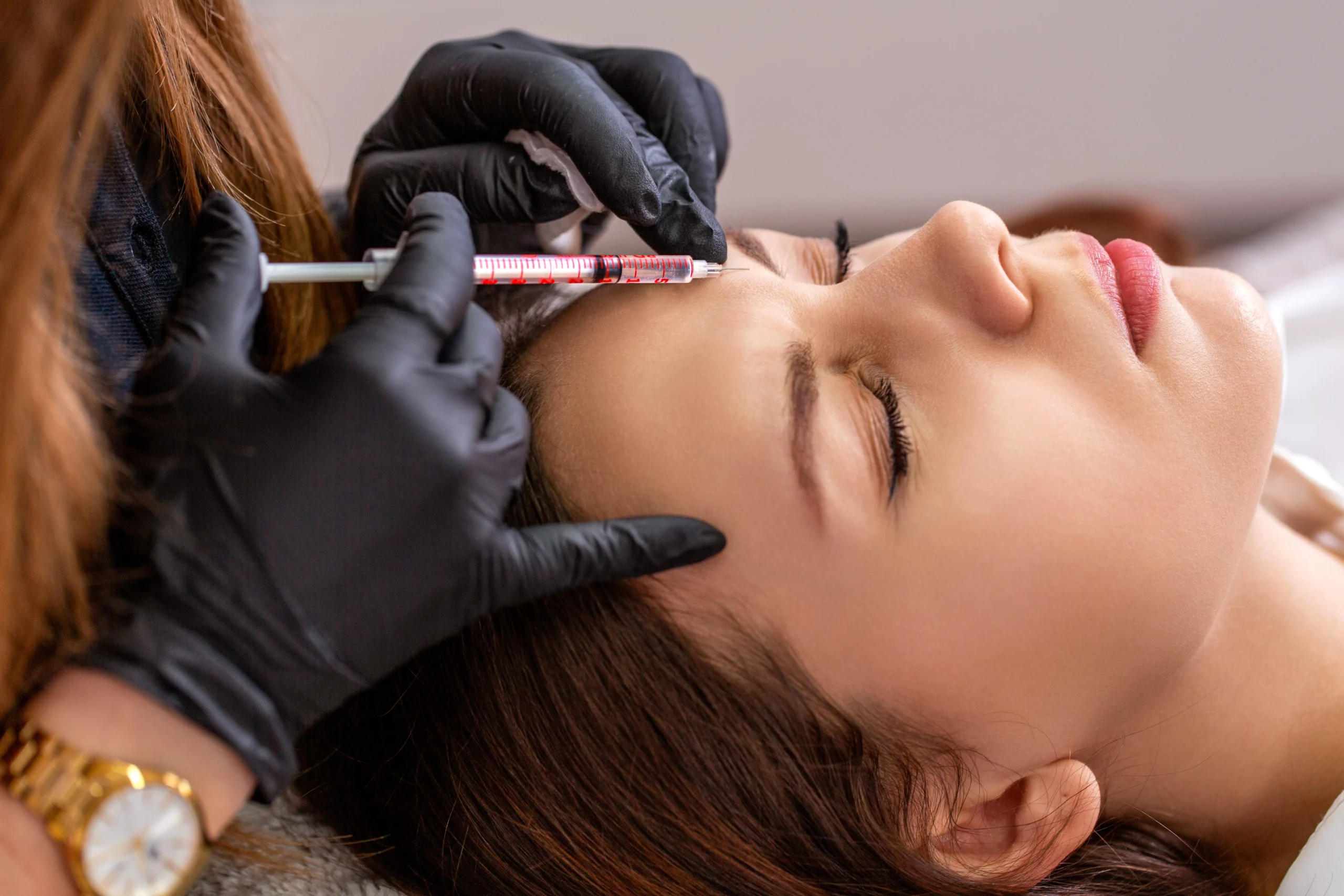
Botulinum toxin injections (Botox, Dysport) address a different component of Ozempic face. When facial volume decreases, dynamic wrinkles caused by repeated muscle movement become more pronounced because the fat padding that once softened those movements is gone.
Botox and Dysport work by temporarily relaxing the muscles responsible for these lines. Common treatment areas in GLP-1 patients include:
- Forehead lines
- Crow’s feet around the eyes
- Frown lines between the brows (11s)
- Bunny lines on the nose bridge
Results from neurotoxin treatments typically appear within 3-7 days and last 3-4 months. Many patients combine neurotoxin with fillers in a single appointment, addressing both the volume deficit and the dynamic wrinkle component simultaneously.
Dysport tends to diffuse slightly more broadly than Botox, which can be advantageous in larger surface areas like the forehead. Your provider will recommend the right product based on your specific anatomy and treatment goals.
What to Expect From Facial Treatment After GLP-1 Use
Patients seeking facial aesthetic treatment after GLP-1 use should approach the process as a multi-step relationship rather than a single appointment. Here is what a realistic treatment experience looks like:
- Consultation: Assessment of current facial structure, volume loss pattern, skin laxity, and goals. For patients still on a GLP-1 or recently stopped, timing of treatment relative to continued weight changes is discussed.
- Treatment planning: Because weight may still fluctuate post-discontinuation, providers often recommend beginning with conservative filler volumes and adjusting at follow-up.
- The appointment itself: Most combination filler and neurotoxin sessions run 45-75 minutes. Topical numbing is applied beforehand.
- Immediate aftereffects: Swelling and mild bruising at injection sites are common, typically resolving within 5-7 days.
- Follow-up: A 2-week post-treatment review is standard to assess symmetry and determine whether touch-ups are needed.
Things to Know
- GLP-1 medications have no substantially lingering effect once discontinued. The benefits, including appetite suppression and metabolic improvements, fade as the drug clears your system.
- Not everyone regains all of their weight. The 2026 Cleveland Clinic study found 45% of patients maintained their loss or continued losing in the year after stopping.
- Facial volume loss does not always reverse when weight returns. Skin laxity that developed during the weight loss phase may persist even if fat volume partially restores.
- If you stop a GLP-1 and want aesthetic facial treatment, timing matters. Providers generally recommend waiting until your weight has stabilized before committing to significant filler volume.
- Blood sugar, cholesterol, and blood pressure changes after stopping a GLP-1 can be medically significant. These shifts warrant follow-up with your prescribing physician, not just your aesthetics provider.
- Combining neurotoxin with fillers often produces more comprehensive results than either treatment alone for GLP-1-related facial changes.
Frequently Asked Questions
Q: How quickly does weight come back after stopping a GLP-1 medication?
Weight regain typically begins within weeks of stopping and progresses at an average of about 0.9 pounds per month.
Research shows that around 60% of lost weight returns within the first year of discontinuation. The pace varies by individual, but appetite increases rapidly, often within the first week, which is what drives the rebound.
Q: Can you stop a GLP-1 cold turkey, or do you need to taper?
Most GLP-1 medications can be stopped without a formal medical taper, but abrupt discontinuation is not always advisable.
Unlike some medications, GLP-1s do not cause physical dependence or withdrawal in the traditional sense. However, stopping abruptly often produces a sharper return of appetite compared to gradual reduction. Always discuss your discontinuation plan with your prescribing provider.
Q: Does Ozempic face go away on its own after you stop the medication?
Facial volume loss does not reliably self-correct, even if some weight returns after stopping a GLP-1.
Fat redistribution after weight regain does not always restore the facial fat pads in the same proportion or location. Skin that stretched during rapid weight loss may remain lax. Many patients benefit from aesthetic treatment regardless of whether they plan to resume medication.
Q: Are dermal fillers safe to get while still on a GLP-1 medication?
Dermal fillers are generally considered safe for patients currently taking GLP-1 medications, with no known direct contraindications.
That said, if your weight is still actively changing, treatment outcomes may shift as your facial structure continues to evolve. Most providers recommend waiting until your weight has been stable for at least 2-3 months before investing in larger volume filler treatments.
Q: What is the difference between Botox and Dysport for treating GLP-1-related facial changes?
Both Botox and Dysport are botulinum toxin type A products that relax muscles causing dynamic wrinkles, with Dysport diffusing more broadly across larger treatment areas.
For most patients addressing Ozempic face, the choice between Botox and Dysport comes down to the specific areas being treated and your provider’s clinical preference. Results and duration are similar. A consultation will determine which product suits your anatomy.
The Bottom Line on What Happens When You Stop a GLP-1
What happens when you stop a GLP-1 is a physical process, not a personal failing. Appetite returns, metabolic markers shift, and weight trends upward for most people because the medication was managing an underlying chronic condition rather than curing it. The facial changes that accompany rapid GLP-1-related weight loss are real, and they do not always reverse when treatment stops.
If you are in Sarasota or the surrounding area and you are navigating the aesthetic effects of GLP-1 use or discontinuation, Rose Medical Aesthetics can help. Call Rosalie Orrostieta and the team at (941) 344-9850 or visit the practice at 3100 Southgate Circle, Sarasota, FL 34239 to schedule a consultation. Your next step is a conversation about where you are now and what your face can look like moving forward.