Skip to content

Loose skin after major weight loss is a direct result of collagen and elastin breakdown, which occurs when the skin cannot contract fast enough to match your body’s new shape. For many people who have lost 50 lbs or more, non-surgical treatments offer meaningful improvement, though the right approach depends on how much excess skin you’re dealing with.
Achieving a significant body transformation is something to be proud of. But the reality of loose, sagging skin can feel like an unwelcome reward. Whether your weight loss came through bariatric surgery, a structured diet program, or one of the newer GLP-1 medications like Ozempic or Wegovy, the skin concerns that follow are real, common, and often undertreated. At Rose Medical Aesthetics in Sarasota, Florida, Rosalie Orrostieta and her team work with patients navigating exactly this challenge, offering personalized, non-invasive approaches designed to restore confidence and firmness without surgery.
Why Skin Loses Its Snap After Significant Weight Loss
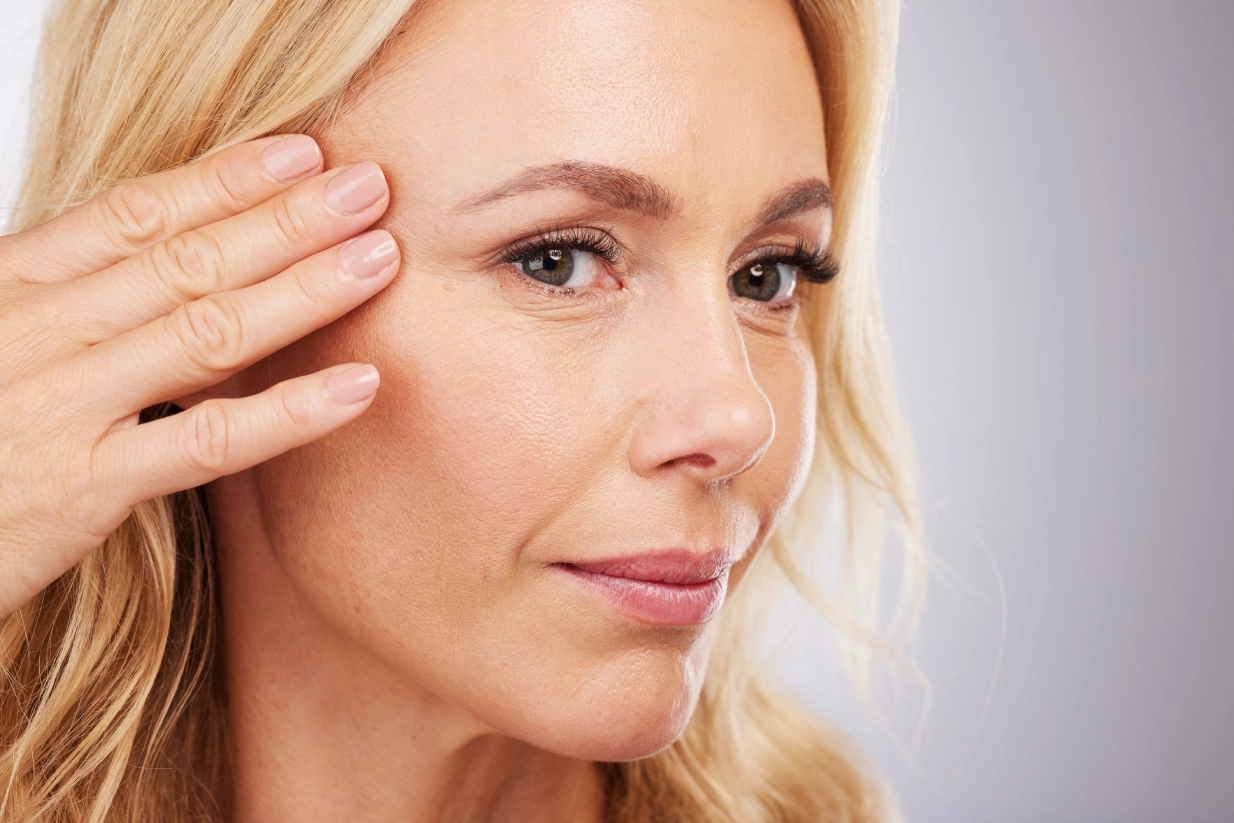
Skin is a living organ. It stretches gradually over months or years as weight increases, but it cannot always reverse that process at the same speed. The core issue is a breakdown in two structural proteins: collagen and elastin. Collagen provides the framework, and elastin allows the skin to spring back after being stretched. When skin remains expanded for long periods, both proteins weaken.
Natural collagen production also begins declining after age 30, which is why individuals in their 40s and 50s tend to see more pronounced looseness after weight loss compared to someone in their 20s. The speed of weight loss plays a role too. Rapid loss, which is common with GLP-1 medications, leaves the skin even less time to adapt. According to WebMD’s overview of loose skin after weight loss, factors like age, genetics, total amount of weight lost, and how long you carried excess weight all influence how severely the skin is affected.
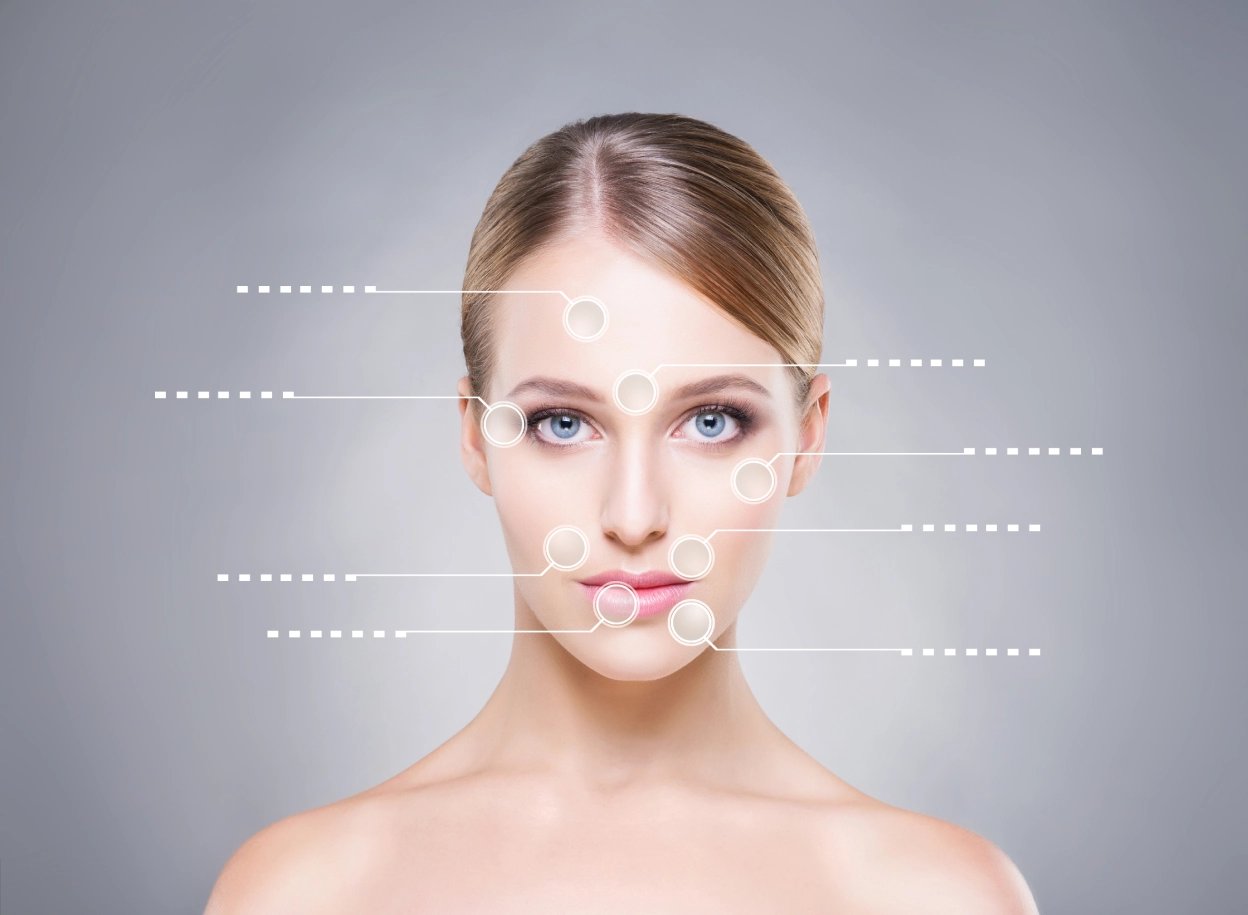
The areas most commonly impacted include:
- The lower abdomen and belly
- Upper arms (often called “bat wings”)
- Inner thighs
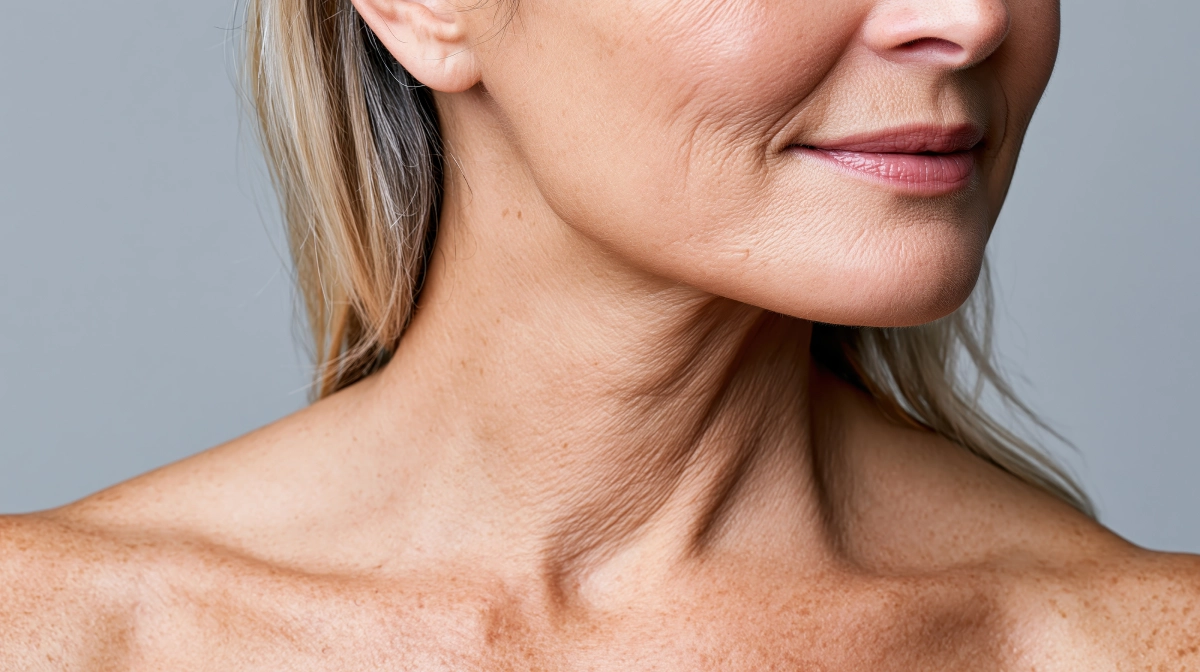
- The neck and jaw area (sometimes called “Ozempic face”)
- Breasts and chest
Understanding the root cause, collagen and elastin degradation, is what makes the non-surgical treatments below effective. They all work by targeting and stimulating these same proteins.
Non-Surgical Treatment Options: What Works and How
The non-surgical landscape for skin tightening has expanded considerably in recent years. The key distinction from surgical options is that these treatments stimulate your body’s own healing response rather than physically removing tissue. Results are gradual, but they are real, and for mild to moderate skin laxity, they can be highly effective.
Radiofrequency Treatments: Thermage and Morpheus8
Radiofrequency (RF) technology delivers controlled heat energy deep into the dermis, triggering collagen remodeling without damaging the surface. Thermage is a single-session RF treatment that has been used for over 20 years. Morpheus8 combines radiofrequency with microneedling, driving the energy deeper into the subdermal layers for more significant tightening.
According to the American Academy of Dermatology, radiofrequency and ultrasound-based treatments are among the most commonly used non-surgical approaches for addressing mild to moderate skin laxity.
Both treatments are well-suited for the face, neck, abdomen, and arms. Morpheus8 typically requires three sessions, spaced four to six weeks apart, with full results visible around the six-month mark as new collagen matures.
Microneedling and Collagen Induction Therapy
Microneedling creates controlled micro-injuries in the skin using fine needles. The body’s healing response floods the area with collagen and elastin. When combined with platelet-rich plasma (PRP), the results are amplified. This approach is particularly effective for skin texture, fine lines, and mild laxity.
For post-weight-loss concerns on the abdomen, arms, or inner thighs, a series of four to six microneedling sessions is standard. Results appear gradually, and maintenance sessions are recommended every six to twelve months.
Injectables: Dermal Fillers, Botox, and Dysport
When volume loss and skin laxity affect the face, injectable treatments offer fast, visible results.
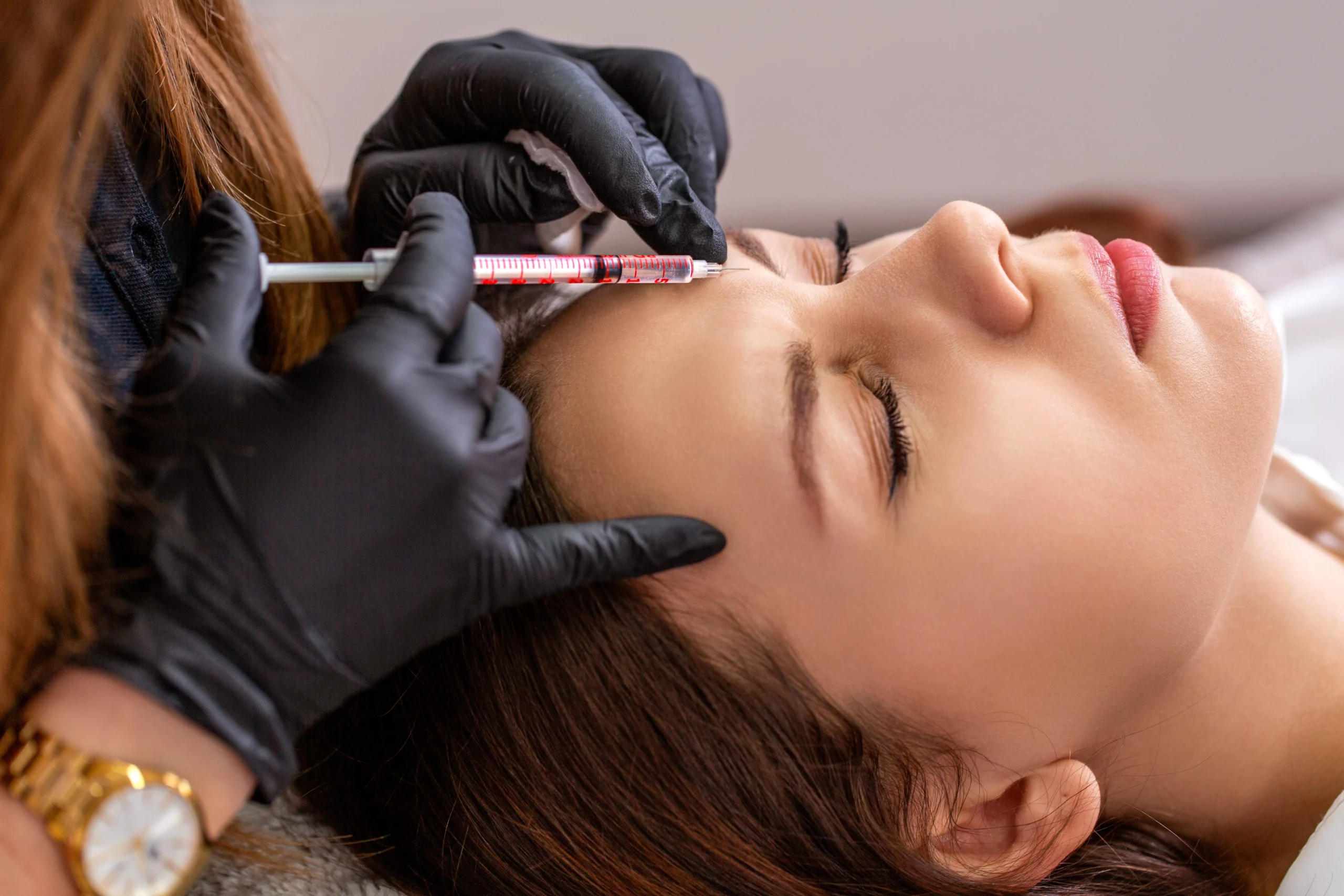
Dermal fillers use hyaluronic acid or similar compounds to restore lost volume in areas like the cheeks, temples, and jawline. In the context of post-weight-loss facial changes, fillers can address the hollowed appearance that contributes to a gaunt look. Results typically last between 9 and 18 months depending on the filler used and the area treated.
Botox and Dysport relax the muscles responsible for dynamic wrinkles, which become more noticeable when volume is lost. Both are neuromodulators and work similarly, though Dysport tends to spread slightly more, making it better suited for larger surface areas. Results typically appear within three to seven days and last three to four months.
For facial concerns specifically, injectables often work best in combination with a skin-tightening treatment like Morpheus8 or Ultherapy. Fillers restore volume; energy-based treatments restore structure.
Comparing Non-Surgical Options Side by Side
| Treatment | Best For | Sessions Needed | Results Timeline | Avg. Cost Range (USD) |
| Morpheus8 | Face, neck, body laxity | 3 sessions | 3-6 months | $800-$1,500/session |
| Thermage | Face and body tightening | 1 session | 2-6 months | $1,000-$4,000 |
| Dermal Fillers | Facial volume loss | 1 session | Immediate | $600-$2,000 |
| Botox/Dysport | Dynamic wrinkles, mild lift | 1 session | 3-7 days | $300-$600 |
Lifestyle Strategies That Support Every Treatment
No in-office treatment works optimally without addressing the fundamentals. These lifestyle factors directly influence how well your skin responds to collagen-stimulating therapies:
- Strength training: Building lean muscle mass provides structural support under loose skin and improves overall tone.
- Protein intake: Aim for at least 0.7 grams of protein per pound of body weight to support collagen synthesis.
- Hydration: Skin cells require adequate water to function and retain elasticity. Target at least half a gallon of water per day.
- Sun protection: UV exposure accelerates collagen breakdown. Daily SPF 30 or higher is non-negotiable.
- Topical retinoids: Vitamin A derivatives stimulate collagen and are among the most evidence-backed topical ingredients for improving skin firmness over time.
For more foundational guidance, LightRx’s overview of non-surgical skin tightening provides a solid breakdown of how these lifestyle elements interact with in-office treatments.
What to Realistically Expect From Non-Surgical Treatment
Setting honest expectations is a core part of how Rose Medical Aesthetics approaches every patient consultation. Non-surgical treatments work best for mild to moderate skin laxity. They stimulate your body’s natural collagen production and improve firmness over time, but they cannot replicate the physical tissue removal that surgery achieves.
Results take time. Most energy-based treatments produce changes that peak at three to six months post-treatment. Swelling from injectables, for example, can temporarily affect the final appearance of fillers; the results you see at two weeks are more representative than day one.
Patients with significant excess skin, particularly a large abdominal pannus after bariatric surgery, are generally better candidates for body contouring surgery (panniculectomy or abdominoplasty). A personalized assessment is the only way to determine which option, or which combination, will deliver the outcome you’re looking for.
Things to Know
- Collagen production naturally slows after age 30, making age a significant factor in how much improvement non-surgical treatments can deliver.
- GLP-1 medications like Ozempic and Wegovy accelerate fat loss faster than skin can adapt, which is why skin concerns from these drugs are becoming increasingly common.
- Non-surgical treatments require patience. Most results take three to six months to fully develop as new collagen matures.
- Combining treatments, such as Morpheus8 with EMSCULPT, often produces better outcomes than a single modality alone.
- Injectables like fillers and Botox address volume and movement but do not tighten tissue the way radiofrequency or ultrasound does.
- If your skin laxity is severe or involves large folds of excess skin, surgery may be necessary regardless of non-surgical attempts.
Frequently Asked Questions
Q: How much weight loss causes loose skin?
Losing 50 lbs or more is generally when skin laxity becomes noticeable, though individual factors like age and genetics also play a role.
Skin that has been stretched over an extended period loses its ability to fully contract. The more weight lost and the longer it was carried, the more pronounced the looseness tends to be. Younger patients with good baseline skin elasticity often fare better.
Q: Can you tighten loose skin without surgery or treatments?
Lifestyle changes like strength training, adequate protein intake, and hydration can improve tone but will not eliminate significant loose skin on their own.
These strategies are essential as a foundation, but for meaningful visible tightening, collagen-stimulating in-office treatments are typically required. Exercise builds muscle, which can improve the appearance of mild laxity, but it cannot replicate the structural collagen remodeling that devices like Morpheus8 provide.
Q: How long does it take to see results from radiofrequency skin tightening?
Most patients begin to see improvements within four to six weeks, with optimal results visible around the three to six month mark.
This timeline exists because the treatment works by stimulating your body’s own collagen production, which takes time to develop. Multiple sessions are usually recommended to build on each round of collagen response.
Q: Are non-surgical skin tightening treatments painful?
Most patients report mild discomfort during energy-based treatments, and topical numbing cream is typically applied beforehand to manage sensation.
Treatments like Morpheus8 involve microneedling, which can feel uncomfortable without numbing. Ultherapy produces a warming or prickling sensation at depth. Injectables involve a brief, sharp pinch. Overall, most people tolerate these treatments well and return to normal activities the same day.
Q: Is Botox or dermal filler better for “Ozempic face”?
Dermal fillers are generally more appropriate for the volume loss associated with Ozempic face, while Botox complements by softening overlying dynamic lines.
When the face loses fat rapidly, restoring volume with hyaluronic acid fillers addresses the root appearance issue. Botox can then be used to refine the result, particularly around the eyes and forehead. Many providers recommend both together for a balanced, natural-looking outcome.
At Rose Medical Aesthetics, Rosalie Orrostieta offers individualized treatment planning for patients in Sarasota and the surrounding area. If you are ready to explore your options, reach out to the team at 941-344-9850 or visit the clinic at 3100 Southgate Circle, Sarasota, FL 34239 to schedule a consultation and get a clear picture of what non-surgical treatment can realistically do for you.